May 25, 2022 | PROBLEM GAMBLING, RECOVERY, STORIES
MNAPG Northern Light Spring 2022
At a very young age, I remember people telling me, “You’re lucky. You’re just like your grandma.”
Well, my grandmother was a compulsive gambler. But gambling didn’t have devastating consequences to her life because she could only gamble the set amount of money my grandfather gave her. Her gambling never caused her to go without food or to miss rent.
I was raised in a very dysfunctional family. My mother used drugs and would let drug dealers and users sexually abuse her for drugs. As a result, I grew up with no boundaries and would do everything I could to not feel anything.
Until my mid 30s, I went to casinos every now and then, maybe once a year. It was fun. But then two things happened. First, I got divorced, and I started going to the casino more. And second, I got a big win.
When I first won big, I remember thinking this should be my job, that I could never make money this fast. My bets got higher to get the same dopamine rush.
It didn’t take long before I knew I had a gambling problem, but I didn’t know how to label it. I called myself a “gamblaholic” because I didn’t know of any other term. Nobody told me to get help.
I spent a six-figure court settlement in the span of three months and lived in seven places in less than a year. I dated men and essentially had sex for money so that I could continue to gamble.
It got to the point where every time I was driving back to the casino, I’d think about ways I could hurt herself. The wanting to die consumed me. I thought, “If I win, I’ll live. If I don’t, then I can always commit suicide.” I tried to commit suicide three times.
I needed and wanted help, so I googled gambling help in Minnesota. I called and had an intake meeting with an outpatient counselor. She highly recommended that I go for inpatient help at Vanguard Center for Gambling Recovery. However, I had joint custody and after a tumultuous divorce my ex would not take my son beyond the schedule. I wanted so badly to get help but felt stuck.
A week after I tried to hang myself, my final suicide attempt, my 18-year-old son finally said to me, “Mom, please go get help.” He said he would take care of the house and his brother so that I could go. I can honestly say that he saved my life. I had no more excuses to not get help.
My gambling often went hand-in-hand with using meth. Thankfully, Vanguard was able to help with both issues. There is no question in my mind that getting over gambling is much harder than getting over drugs, even though gambling doesn’t involve ingesting anything into your body.
Indeed, there is so much that people don’t understand about gambling addiction, even in health care. I work in nursing, and when I talk to the providers about gambling disorder, most say they never received training on the topic. I tell them about the high suicide rate, that you can’t wake up and be sober as you can from alcohol, and that when you look at your checking account, it’s still negative. These providers may see people with gambling problems but have no idea where to send them for help.
I’ve talked to my pastor often and try to share my story at church, where they most often talk about drug and alcohol addiction. I am willing to share my story to anyone if it can help somebody.
If anyone reading this wonders if they have a problem and are on the fence about what to do, here is what I would say. Go online and learn about gambling addiction. Take the 20-question screening to see how many questions you answer “Yes” to. Then, if it’s appropriate, seek help, whether it’s searching for “Minnesota gambling help,” looking into Gambler’s Anonymous or calling the state’s helpline (1-800-333-HOPE). People who are struggling should also know that there are programs to help them financially so they can get treatment.
My story is not very pretty, but I am truly grateful for my addiction because it has turned my life around. My relationships are better, I’m honest and open, and am able to share things that bother me. I’m happy and working hard to earn a paycheck. I appreciate this so much more than if I didn’t have a gambling addiction and hadn’t gotten help. I have serenity.
Feb 23, 2022 | PROBLEM GAMBLING, RECOVERY, STORIES
I’ll never forget the first time I realized there was hope for my compulsive gambling. I was at confession and the priest said, “I don’t normally do this, but I’m giving you the phone number of someone in gambling addiction recovery at Gamblers Anonymous (GA).”
I always had the desire to quit gambling, but didn’t feel like I had the tools or the power to do it. I went to weekly GA meeting, and although I had weekly relapses in the beginning, I kept going. I’ve been going for more than three years, and the meetings continue to sustain me in my recovery.
When I was young, my grandparents and family loved to play Thirty-one and other card games for nickels or quarters. When I won the ‘pot’ it was like a big win for me. When I lost, I remember my grandma saying, “If you can’t play, you gotta pay.” It was always very enjoyable and I was lucky with it most of the time.
In college, I went to casinos with my parents. I brought $20-40 to lose. I played normally and, at this point, didn’t think of myself as a gambler.
After that, I went on a tour of different states to visit different casinos and their different games. My first really big disaster occurred in Las Vegas, where I lost my entire paycheck. I remember walking two miles in the desert with no money and feeling despair for the first time. I continued to gamble and always played until I lost everything.
A few years later, I remember going to a casino and praying because I was feeling attacked by demons at the casino. The people to my right were arguing about money while the faces of the people leaving the casino were distraught. These images were in marked contrast to people just arriving, who were running in and joyful.
At this point, I realized that if I were to continue gambling, I would lose my life’s savings. I decided that I was going to quit gambling, which I did for 13 years.
Then about six years ago, I went to a casino as part of a Christmas party my employer had. I won a TV and split a large 50-50 jackpot, and decided that gambling wasn’t so bad. Within a few months, I had four big wins, ranging from about $1,000 to $6,000. I remember thinking, “This is fantastic. This is easy money.”
I was courted in the VIP program and invited to parties and special events. I went to the casino four to five times a week. I also learned how to get a cash advance on credit cards and how to link my player’s card to my bank so I could take money out in advance. In that year, I lost about $28,000.
Things turned dark for me. I suffered from anxiety and medical issues, including a visit to the ER for a racing heart. I worked overtime, but every cent went to the casino. This went on for three years.
I looked into the Vanguard Center for Gambling Recovery and was told that I could benefit from enrolling there. However, I worried whether going there would jeopardize my job. I felt like I had to choose between losing my job or losing my life.
Between the tools I’ve gained from (inpatient) treatment at Vanguard, outpatient treatment and my GA meetings, I’ve been able to sustain my recovery since May. I know that I can string days together with sobriety and take comfort in knowing I only have to make a decision for the day.
Given my history — and given the nature of this nasty addiction — I can’t say that I’ll never gamble again. But I do know that every day in recovery is a better day than every day spent gambling.
If I could reach out to someone in the grip of gambling — who probably feels that it could lead to some kind of insanity or even death — I would tell them how quickly things start to get better once you start your recovery. In Minnesota, we are lucky to have many great resources, but you have to reach out.
Nov 24, 2021 | PROBLEM GAMBLING, RECOVERY, STORIES
I’m hardly the person you’d expect to develop a gambling addiction. I wasn’t a video gamer, didn’t like football pools and didn’t play the stock market. I didn’t even start gambling until I was almost 50. And even then, I took a roll of quarters to the casino, spent it in 15 minutes, and that was the extent of it.
But within a year, I fell fast and hard. I had a big win at the casino when I bet $20 and won $2,000 in a video poker game. Then I thought maybe I could win $20,000.
I got money from wherever I could. I maxed my credit cards and used the overdraft protection from my bank as a loan. And since I managed the finances where I worked, I started juggling the books and accessing funds, convincing myself I would “borrow” the money, keep track of it and pay it back.
My job performance eventually suffered because I spent so much time at the casino. I remember falling asleep at my desk one day because I gambled for the majority of a weekend, getting very little sleep. I ended up getting fired from my job because of poor performance, tardiness and absenteeism.
I knew it was a matter of time before I got caught for what I did with the organization’s books. The fateful day came a month after I was fired when detectives knocked on my door and went through every corner of my house. After I was arraigned, bail was set at a whopping one million dollars because I had previously gone on a cruise to the Grand Cayman, a place where people are known to hide money. I ultimately received a 51-month sentence, spending 34 months in prison and 17 months on parole.
I know that today there are specialty gambling courts in some states where people can avoid prison time if their offenses are related to their gambling addiction. I don’t know that that would have served me well. I think I needed all the time I spent in prison to come up with a plan for the rest of my life. A wrist slap, at least in my case, may not have been enough.
Once I became resolute in my recovery, I was amazed at how many times the “system” wasn’t really in step with my addiction. Once on parole, I was told not to drink or do drugs, though that was never an issue for me. I was subjected to urinalysis to make sure that I wasn’t doing either, but the test somehow came back positive for ecstasy (later determined to be because of a medication I was taking). Another time, while on parole, I was suspected of stealing cash from my employer, but the theft was later traced to a coworker. It’s at these times — when I was getting healthier in my recovery — that I felt sort of framed as a felon or criminal. It's at these times — when you feel knocked down — that it's tempting to turn back to the addiction. The key is continuing to work your recovery program.
Now I focus on sharing my story with others at outpatient centers and conferences. I talk about what it was like to be an addict and how I was able to overcome my challenges. I want to give back.
I look back on the lies I told and can’t believe how intricate they were. I once told my employer that I was gone for three hours for lunch because I was at a gas station and someone’s car caught on fire — and that my phone was lost in my act of trying to help them get out.
I came from a middle-class Christian home. I was raised to not lie, cheat and steal. Yet that’s what I became. Everything takes a back seat to the gambling addiction, which is what’s truly driving the bus.
If somebody hears my story and they’re sitting on the fence, I hope they do some reflection and use whatever resources are available to them and not go as deep into the addiction as I did. I feel physical pain when I hear of people that suspect they have a gambling addiction but continue to plunge deeper.
The message I want to leave people with is not to think that it can’t happen to you. It can. No matter your background or how good a person you are, these things can happen to good people.

Aug 13, 2021 | RECOVERY, STORIES
The first time I started to think I might have a gambling addiction was when it was suggested to me by my manager at work. She saw that I enjoyed talking to coworkers about my gambling — even laughing off my appreciable losses. Until then, I didn’t give it all that much thought.
I was taken a little off guard by my manager’s comment, in which she actually asked me to watch how much I talked about gambling in the workplace because coworkers might think I had an addiction. But the message hit home for me — she was telling me I should consider that I had an addiction.
At my very next therapy appointment after that conversation I used my therapist’s phone to call the gambling helpline. I knew it was time.
Although I was decisive in seeking help once my manager talked to me — and I took the initial homework assignments very seriously — I still had relapses in the first several years while going to Gambler’s Anonymous (GA). And while I know that others might not return to GA after relapsing, I was struck by the welcoming, nonjudgmental outlook they shared, and so I never missed a meeting.
Two things motivated me to become more steadfast in my recovery. When visiting my father for six weeks before he died of cancer, I had to drive right past the casino. But despite the stress of my father’s health and his proximity to the casino, I never gambled.
The second motivator was the lingering feeling I had the last time I gambled. I distinctly remember how I wanted to drive my care into a wall to kill myself. I didn’t wish to revisit that awful feeling, and I also knew that my father would not want me to do that.
Over the years, I’ve learned about the various situations with other problem gamblers. Our stories always have similarities and differences. Unlike a lot of others, I never lied, cheated or stole. I was always honest with people and confessed when I had relapses. I’m also lucky because I never dipped into retirement savings, though I can only wonder how much more I’d have saved had I not spent so much money gambling.
With the work I’ve done to overcome my gambling addiction along with various other addictions, I’m very familiar with many of the processes, including the 12 steps. In my work in the social services industry, I’m able to provide insights to people when I share my own story.
I encourage others to replace gambling with another activity. And if drinking is also an addiction for them, I tell them to replace alcohol with another beverage of choice that they always have on hand. I also encourage people to reward themselves with jewelry or something else as they reach clean milestones to keep them going.
In August, I will have ten years clean from gambling. I live what some might call a boring 12-step life, but I’ve never been happier and more optimistic about my future.

Jun 2, 2021 | ADVOCACY, PROBLEM GAMBLING, STORIES
I never gambled — or really knew much about it — until a friend suggested we go out and gamble for fun. We were both looking for a way to escape our hurts. I had just gotten divorced from an alcoholic husband and my friend had recently become a widower. I also suffered depression associated with MS, and a gambling outing helped me escape that.
Gambling allowed us to forget about everything. I didn’t have to talk to anyone. I started with maybe $60 per outing but
it escalated. Eventually, I couldn’t stop. I would always need another $100 bill. My friend (who later became my second husband) could sometimes go home making a few hundred dollars, but I never could.
I would gamble for any reason — to celebrate a good day or to help raise my spirits from a bad day. Eventually, after 11 years of gambling, I started thinking I had a gambling problem. I told my husband that I thought I had a problem, but he didn’t believe me. Neither did my in-laws, whose vacations frequently included considerable amounts of gambling.
Once I determined I needed help to keep me from gambling, I explored options. I was hesitant to join a group because I had a poor experience with Al-Anon back when I sought ways to cope with my then- husband’s alcoholism.
I ultimately found a program online that I ordered for $99. I figured I could do the program in the privacy of my own home and figured it had to have value given its cost.
Unfortunately, not being particularly savvy with computers, I needed help setting up the program. I didn’t expect that the person I would call for computer help would be a therapist, but that’s what happened. The person I ended up talking to, Dawn, would become the therapist who would lead me out of the darkness of gambling addiction.
After helping get the program set up, Dawn gently asked some additional questions. Why did I want the program? How serious was I? Had I looked into alternatives? Dawn then said she would check on me in a few weeks to see how I was doing. That started us down the path of telephone counseling, something she was able to get covered by insurance.
I really connected with Dawn, and found myself wanting to follow the program because I didn’t want to disappoint her. She was also the first therapist I had who knew anything about gambling and could explore the connection between gambling and depression.
One thing that I’ve learned about gambling addiction that’s different from other addictions is the randomness of the reward. Someone who drinks or uses drugs knows the impact it will have on them — they will get drunk or high. But gambling is so unpredictable. You could do five spins and win hundreds or lose hundreds. That unpredictability is something gambling addicts love.
I am doing well in my recovery. I lost my second husband to cancer but have not gone back to gambling. I have worked too hard to throw away my freedom from gambling.
COVID, and the related restrictions, has also actually helped me. Even when things reopened, my husband and I were too afraid to go back to the casinos.
As part of my recovery, I told my adult children about my gambling problem. That was a big deal to me. It feels so good to spend the money that I previously spent on gambling on my children and grandchildren instead. I take them out for dinner, get them birthday gifts and spend more time with them. That, not gambling, now means the world to me.
May 24, 2021 | PROBLEM GAMBLING, STORIES
I’m in the process of determining my future. Given what I’ve learned about myself and the relationship between trauma and the ways in which we deal with it, I’ve given thought to taking a smart recovery position outside of St. Cloud.
After my deployment was over, I was faced with the challenge of trying to somehow match that excitement and high-tempo routine.
It’s hard to replicate the adrenalin rush that one gets working in the military. For me, nothing can match the sense of doing something dangerous, and doing something dangerous for a purpose.
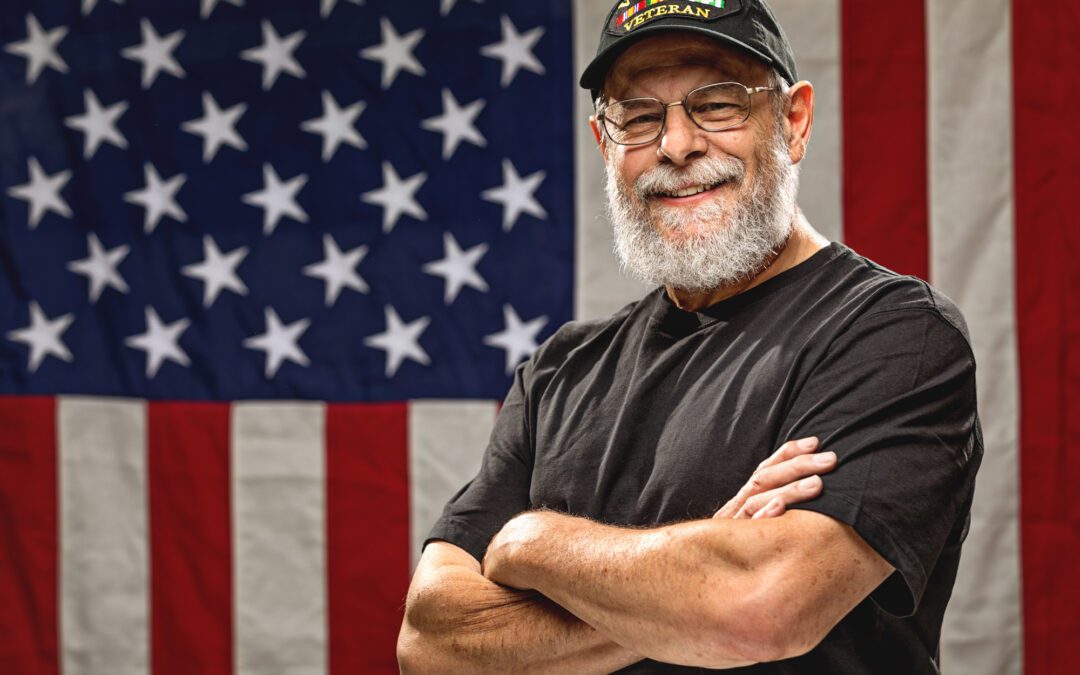
In my role with the Navy, I was among the boots on the ground in the Middle East. I saw the effects of war and came home with a darkness inside me that so many other veterans have experienced.
After my deployment was over, I was faced with the challenge of trying to somehow match that excitement and high-tempo routine. Of course there is no substitute in civilian life for what I did while with the Navy, but I tried to find it.
The closest I could come was gambling. It offered me some of the same aspects of life in the Navy: adrenalin, something to engage in, and a form of escapism. It’s only recently that I’ve begun to understand the connection and similarity between the highs of gambling and my life in the Navy.
My gambling started in a very casual way. I remember taking a long drive into the mountains when I was based in the Washington, DC, area. I ended up at a casino in West Virginia by complete accident. I enjoyed myself and it was simply fun recreation.
My gambling didn’t really become a problem until I left the Navy in 2006. I started going two to three times a week and it was my only real outlet. It became my social pastime.
I continued to gamble for much of the next ten years. But things really went off the rail in 2016, when I was a taxi driver and made frequent stops at a casino in the small town where I lived. Rather than wait for the phone to ring to transport passengers from the casino, I would end up inside the casino spending all the money I earned that day. Things got very bad and life felt hopeless.
At this point, I knew I had a problem. But I wasn’t sure that anything could be done about it, nor did I know how I could actually get help.
Then an unexpected thing happened. While on Instagram, I was viewing photos from an old Navy colleague. I didn’t recognize the buildings in his photos and decided to message him to learn more. He told me they were from Minneapolis. When I asked, “Why Minneapolis?” he explained that he was in Minnesota after getting out of a VA rehab facility in St. Cloud.
When we eventually talked—for the first time in about 10 years—it all started making sense. I knew him personally and knew about his dangerous streak, so hearing that he was in rehab made sense. I also saw many parallels to my story. I asked him questions about the process and then obtained the link for the VA facility that could help me.
As soon as I got off the phone, I started packing my car. I drove three days to make it to St. Cloud from the west coast. I didn’t even call ahead of time and walked right to the urgent care desk and said, “I need help.” I was feeling suicidal and couldn’t take no for an answer.
When I got to St. Cloud, I told the doctor that in addition to a problem with drug and alcohol addiction I also had a gambling problem. I was placed in a residential treatment program on July 14 with a dual addiction diagnosis and stayed for 60 days. Until then, I didn’t know that treatment programs like this existed.
A part of the program involved cognitive behavioral therapy. During these sessions, I gained a better understanding of how my actions were related to the trauma I suffered in the Navy and how the things I did were efforts to try to deal with that trauma. When you get into a program like this, you see the bigger picture. More importantly, you see that this addiction can be managed and that it can be cured.
I’m trying to start anew in a place where I have no routine connected with gambling and where there is no casino in town. I’m living in the House of Charity in Minneapolis and am following through with my aftercare, including meeting with a therapist to keep me on my path.
. . . when I was a taxi driver and made frequent stops at a casino in the small town where I lived. . . I would end up inside the casino spending all the money I earned that day. Things got very bad and life felt hopeless.
I’m in the process of determining my future. Given what I’ve learned about myself and the relationship between trauma and the ways in which we deal with it, I’ve given thought to taking a smart recovery position outside of St. Cloud, something that would require a certification program. From past experience, I realize that I have to feel fulfilled in my occupation or it won’t work.
I’m prepared for this to be a long, slow process. But that’s OK. It’s taken me a long time to get to this point and I realize how important it was for me to get there.