MINNESOTA PROBLEM GAMBLING HELPLINE 1-800-333-4673 (HOPE) • TEXT "HOPE" TO 53342 • CHAT NOW ONLINE info@mnapg.org
In Their Own Words

In Their Own Words

I’m in the process of determining my future. Given what I’ve learned about myself and the relationship between trauma and the ways in which we deal with it, I’ve given thought to taking a smart recovery position outside of St. Cloud.

After my deployment was over, I was faced with the challenge of trying to somehow match that excitement and high-tempo routine.

It’s hard to replicate the adrenalin rush that one gets working in the military. For me, nothing can match the sense of doing something dangerous, and doing something dangerous for a purpose.

In my role with the Navy, I was among the boots on the ground in the Middle East. I saw the effects of war and came home with a darkness inside me that so many other veterans have experienced.

After my deployment was over, I was faced with the challenge of trying to somehow match that excitement and high-tempo routine. Of course there is no substitute in civilian life for what I did while with the Navy, but I tried to find it.

The closest I could come was gambling. It offered me some of the same aspects of life in the Navy: adrenalin, something to engage in, and a form of escapism. It’s only recently that I’ve begun to understand the connection and similarity between the highs of gambling and my life in the Navy.

My gambling started in a very casual way. I remember taking a long drive into the mountains when I was based in the Washington, DC, area. I ended up at a casino in West Virginia by complete accident. I enjoyed myself and it was simply fun recreation.

My gambling didn’t really become a problem until I left the Navy in 2006. I started going two to three times a week and it was my only real outlet. It became my social pastime.

I continued to gamble for much of the next ten years. But things really went off the rail in 2016, when I was a taxi driver and made frequent stops at a casino in the small town where I lived. Rather than wait for the phone to ring to transport passengers from the casino, I would end up inside the casino spending all the money I earned that day. Things got very bad and life felt hopeless.

At this point, I knew I had a problem. But I wasn’t sure that anything could be done about it, nor did I know how I could actually get help.

Then an unexpected thing happened. While on Instagram, I was viewing photos from an old Navy colleague. I didn’t recognize the buildings in his photos and decided to message him to learn more. He told me they were from Minneapolis. When I asked, “Why Minneapolis?” he explained that he was in Minnesota after getting out of a VA rehab facility in St. Cloud.

When we eventually talked—for the first time in about 10 years—it all started making sense. I knew him personally and knew about his dangerous streak, so hearing that he was in rehab made sense. I also saw many parallels to my story. I asked him questions about the process and then obtained the link for the VA facility that could help me.

As soon as I got off the phone, I started packing my car. I drove three days to make it to St. Cloud from the west coast. I didn’t even call ahead of time and walked right to the urgent care desk and said, “I need help.” I was feeling suicidal and couldn’t take no for an answer.

When I got to St. Cloud, I told the doctor that in addition to a problem with drug and alcohol addiction I also had a gambling problem. I was placed in a residential treatment program on July 14 with a dual addiction diagnosis and stayed for 60 days. Until then, I didn’t know that treatment programs like this existed.

A part of the program involved cognitive behavioral therapy. During these sessions, I gained a better understanding of how my actions were related to the trauma I suffered in the Navy and how the things I did were efforts to try to deal with that trauma. When you get into a program like this, you see the bigger picture. More importantly, you see that this addiction can be managed and that it can be cured.

I’m trying to start anew in a place where I have no routine connected with gambling and where there is no casino in town. I’m living in the House of Charity in Minneapolis and am following through with my aftercare, including meeting with a therapist to keep me on my path.

. . . when I was a taxi driver and made frequent stops at a casino in the small town where I lived. . . I would end up inside the casino spending all the money I earned that day. Things got very bad and life felt hopeless.

I’m in the process of determining my future. Given what I’ve learned about myself and the relationship between trauma and the ways in which we deal with it, I’ve given thought to taking a smart recovery position outside of St. Cloud, something that would require a certification program. From past experience, I realize that I have to feel fulfilled in my occupation or it won’t work.

I’m prepared for this to be a long, slow process. But that’s OK. It’s taken me a long time to get to this point and I realize how important it was for me to get there.

What We Know About Gambling and the Risk of Gambling Addiction

What We Know About Gambling and the Risk of Gambling Addiction

Although gambling — and gambling addiction — has been around for a while, it’s still an activity and an addiction that’s received much less attention than others. A groundbreaking survey conducted by the National Council on Problem Gambling (NCPG) provides a glimpse into the “hidden addiction” and provides implications for public policy and future research.

Gambling in the United States

Here are some of the key findings of the nationwide survey:

  1. Gambling is a very popular American pastime. Three in four American adults report some type of gambling in the year preceding the survey. Only 12 percent claim to never have gambled.
  2. Most gamblers bet on more than one activity, with the average American gambler betting on three different activities.
  3. Legal prohibitions or restrictions on gambling have minimal effect on gambling participation. Even in the two states that allow no legal gambling (Hawaii and Utah), more than half the adults report some gambling activity in the past year. One in five Americans placed a sports bet despite it being legalized in only two states at the time of the survey, many of them online or through bookmakers. And 15 percent reported making an online wager.
  4. The lottery is the most popular form of gambling, with two out of three survey respondents reporting a past year lottery purchase. More than one-third of the sample reported spending money at a casino.
  5. Most who gamble appear to do so without negative consequences. While for methodological reasons the survey was not designed to assess the rate of gambling disorder, 70 percent of gamblers reported never experiencing any of the four risky gambling behaviors covered by the survey. However, seven percent reported experiencing at least one of these behaviors “many times,” with most of these reporting only one frequent problematic behavior.
  6. Young adults appear to be at higher risk for gambling problems. Half of those under 35 responded “yes” to at least one indicator of risky behavior. By contrast only 10 percent of gamblers over the age of 65 responded “yes” to at least one indicator.
  7. Sports bettors appear to be at particularly high risk, being three or more times as likely than those gamblers who did not bet on sports to report frequent risky behavior. Those betting weekly on sports are five or more times more likely to report frequent risky behavior. These disparities are even greater for those playing fantasy sports. We do not know, however, if sports betting results in risky behavior, or if those who are more prone to risky behavior are drawn to sports betting.
  8. A considerable number of gamblers do not understand the way gambling works, with 16 percent believing that gambling is a good way to make money. Similar numbers of people believe that gambling more often will help them win more than they lose, or that their chances of winning get better after they’ve lost. These misconceptions are more common among those playing games with a skill component, such as sports betting or cards.
  9. A large share of the population misunderstands or stigmatizes problem gambling. More than half of those surveyed attribute gambling problems at least in part to moral weakness or lack of willpower, while fewer than one half believe it can result from genetics or a medical condition.

Gambling in Minnesota

The survey also sought to ascertain gambling behavior on a state-by-state focus. Here are some highlights from Minnesota survey responses (Results were collected prior to COVID.)

  • Minnesotans like to gamble
    • 78% of Minnesota adults reported making a bet in the past year.
  • Minnesotans bet on many things
    • The average Minnesota gambler bet on four activities in the year before the survey. One in four wagered on seven or more.
  • The lottery is the most popular form of gambling in Minnesota.
    • 66% of Minnesota adults reported a past year lottery purchase.
    • Minnesota is among the states where residents are most likely to play bingo or buy a pull-tab.
  • Sports betting is relatively uncommon.
    • 19% of Minnesotans reported betting on a sports event.
  • Most gamble for fun
    • 81% of past year gamblers believe that gambling is not a good way to make money.
  • Many Minnesotans misunderstand problem gambling
    • 77% believe that a lack of willpower is a cause of problem gambling.

Public Policy Implications

There are numerous implications that can drawn from the national and state data provided by the survey. One clear implication is the limitations of policies based on prohibition. “When creating public policy, we need to take into account the possibility that prohibition may simply result in gamblers going to illegal or offshore operations that have minimal, if any, regulation,” says Susan Sheridan Tucker, executive director of Northstar Problem Gambling Alliance, Minnesota’s affiliate to the NCPG.

Another possible conclusion from the survey is that sports betting appears to become a higher risk of problematic play than most other forms of gambling, though it’s not clear whether this is driven by the widespread availability of illegal, unregulated play. “It’s apparent that legal, regulated sports betting must include extensive and effective responsible play and addiction prevention measure,” said Sheridan Tucker.

Some additional implications from the survey include:

  • The rapid expansion of sports betting combined with the risks associated with this activity require that its impact be carefully monitored.
  • The level of risky behavior among fantasy sports players is at least as high as that associated with traditional sports betting.
  • Young adults are at greater risk of problematic play than any other demographic segment.
  • There is no evidence that the risks of problematic gambling are affected by socio-economic status or by racial or ethnic background.
  • State lotteries have a critical role to play in problem gambling awareness and prevention.
  • For virtually every gambling activity, those reporting frequent play are considerably less likely to practice positive play than those playing less frequently.
  • While the data from this survey point to factors that are associated with problematic play (age, type of betting and, to a lesser extent, gender), we are far from understanding causal relationships.
  • Gambling disorders continue to be highly misunderstood and stigmatized.

This study, the first national survey of gambling in twenty years, points the way toward protecting public health and devising effective strategies to prevent gambling problems and improve the lives of those affected by it. As the United States undergoes the most massive expansion of legalized gambling in its history, it is critically important that governments, the gambling and gaming industry, and nongovernmental service providers come together to enact policies that maximize the benefits to society of legalized gambling while mitigating its potential harms. Future surveys will show the degree to which these goals have been accomplished.

For more information about problem gambling in Minnesota, visit the Northstar Problem Gambling Alliance website.

The Convergence of Gaming and Gambling

The Convergence of Gaming and Gambling

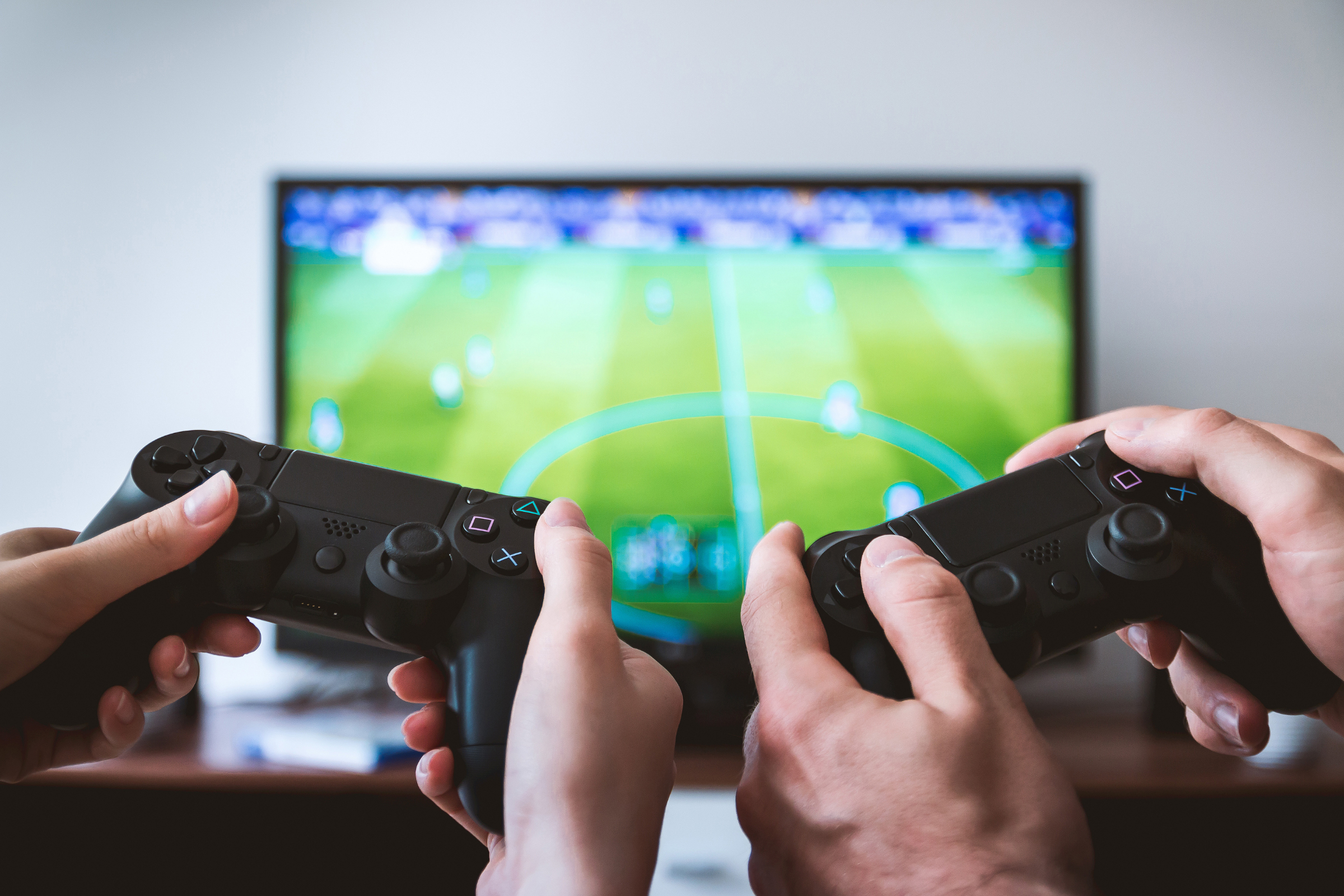
A major concern when it comes to youth addiction to gambling is the convergence of gaming and gambling. Many games now include gambling features and many gambling activities have gaming-like features.

Games that include gambling-like features are most concerning. Unfortunately, these gaming sites are both very accessible and unregulated. They include social casino gambling, which is considered gambling without risking money. However, these sites typically include virtual currency, and thus can be seen as a “training ground” for future gambling with real money when participants are of age.

An example of gambling-like gaming is a video game that features mini-games one can bet on in a simulated casino. There are also many opportunities to participate in social casino games through social media.

Another example of “gambling” is a video game that features loot boxes, where players can spend money for access to unknown game features. According to Gambling Research Exchange Ontario, free gambling-like games are now more popular than online gambling for money. In recent years, there has also been an increase in the number of people who bet on different outcomes of video games.

Studies show that young adults and adults who are exposed to these types of games may be more likely to develop gambling problems.

Electronic gaming machines (EGMs) are gambling devices that offer a variety of games. They may have the same theme as popular television game shows. EGMs are found at casinos, on cruise boats, at racetracks, at local bars, and even at corner stores. EGMs may have an element of skill or a feature that makes it seem that skill plays a role. Researchers believe that features such as these help to attract young participants and keep them gambling.

Today’s youth are the first generation to grow up with electronic gambling, such as video poker and video slots. Electronic gambling is considered to be the most addictive type of gambling because games can be played rapidly, there’s easy access to money (through credit cards), the activity takes place in isolation and there is no potential for human intervention to monitor the gambler’s behavior.

Evidence shows that the age group most affected by gaming disorder is adults between the ages of 25-40. However, given that this is a relatively new platform and online access is far more readily available today than just ten years ago, monitoring minors’ activities in gaming and creating appropriate prevention messaging will be important.

Children and teens have little awareness that regularly partaking in these types of activities may lead to problem gambling issues later in life. In fact, most individuals, whether minors or adults, have little awareness that these unregulated sites are, in fact, designed to be more predatory than regulated sites.

Stress from COVID Restrictions Can Lead to Problem Gambling

Stress from COVID Restrictions Can Lead to Problem Gambling

COVID-19 has upended our lives, causing disruption to virtually everyone. However, as the pandemic continues, its impact on those with mental health challenges is especially significant.

The requirement to maintain social distancing has led to isolation for many, exacting a toll that’s not easy to measure. However, trends from calls to employee assistance programs underscore the impact of the virus: loneliness is increasing among those who are far from their support systems, counseling for grief is on the rise, anxiety regarding work is growing and there are increased calls about substance abuse.

The uncertainty of life during the pandemic, which has often been accompanied by job changes, financial stress and social isolation, has exacerbated individual health risks. Among other destructive tendencies, those with depression, anxiety or suicidal thoughts may experience an urge to gamble to fill the void. This may be especially true for people in recovery or those with existing symptoms of gambling addiction.

For some, gambling may also be seen as a way to make money given financial pressures they may be experiencing from COVID. But it’s important to remember that in the long run, only the “house” is sure to win. Money used to pay for food, housing, utilities and other necessities of daily living should never be used for gambling.

Given that many casinos and other gambling venues may be operating at reduced capacity — and because many people are choosing to stay at home to reduce their risk of contracting COVID — many gamblers are choosing to gamble online. This can be done anywhere and at any time of day through either a computer or a phone. Online gambling also provides an all-too-easy opportunity to escape one’s problems, which are more prevalent in today’s uncertain times.

Risks of Gambling Online

There are several risks associated with online gambling. First, it is easier for gamblers to hide the extent and frequency of their gambling. In contrast to gambling that’s done at brick-and-mortar venues, there’s no personnel available to check on a gamblers’ well-being or to at least invite them to take breaks. It’s also possible that individuals gambling from home may be under the influence of alcohol or drugs, or struggling with other mental health conditions, either of which can result in bad judgment and betting beyond capabilities.

Sports Betting and Online Gambling: A Potentially Volatile Mix

Although sporting events have been somewhat curtailed during the pandemic, the rapid expansion of sports gambling means there are ever more opportunities to wager on sports. The rate of gambling problems among sports bettors is at least twice as high as among gamblers in general. When sports gambling is conducted online, the rate of problems is even higher, with one study of online sports gamblers indicating that 16% met clinical criteria for gambling disorder while another 13% showed some signs of gambling problems.

Online Gaming

Online gaming consists of any video game that offers online interactions with other players. Its popularity has increased dramatically during the pandemic. Online gaming, similar to sports and online gambling, may become an addiction to some seeking to numb the pain and stress produced by COVID-19.

Tools to Control Online Gambling

Some people who gamble online find it difficult to adhere to a money or time limit. For those seeking to control or even eliminate their online gambling, there are tools and resources that can help. Rather than rely on willpower to silence the urge to gamble, apps can be used to schedule gambling time or automatically prevent people from gambling online, a practice known as self exclusion.

One such app is Gamban, which gives users the ability to exclude themselves from thousands of online gambling sites on up to 15 household devices. Northstar Problem Gambling Alliance (NPGA) offers individual Gamban subscriptions at no cost to any Minnesota resident. Please email sst@northstarpg.org and a link will be provided to set up the account.

Treatment is Available at No Cost in Minnesota

In Minnesota, treatment for gambling disorder is available at no cost. A list of state-approved gambling treatment providers can be found here. Treatment is also available for families (up to 12 hours/year) at no cost.

Expansion of Tele-therapy

To ensure that those seeking help for a gambling addiction can access it given today’s social distancing requirements, counseling is now available from the comfort of one’s home. This type of remote counseling, known as “telehealth,” is provided through phone or online platforms.

Signs of Gambling Addiction

Whether someone is gambling online, with friends and coworkers, or at brick-and-mortar establishments, it’s important to keep the signs of gambling addiction in mind. Gambling problems can be subtle in nature. Knowing these signs can help you identify someone who is at risk for compulsive gambling.

Most importantly, those suffering from gambling disorders, as well as those who have a friend or loved one who can’t escape the urge to gamble, should know that help is available for gambling addiction — and that it works.

For more information about problem gambling in Minnesota, please visit northstarpg.org.

In Their Own Words – Tim’s Story

In Their Own Words – Tim’s Story

I had my first big win of $500 as a 7-year old at a church picnic in a small town in Minnesota. I was like a celebrity for a while after that. I chased that feeling for 34 years, becoming very competitive in sports, games, spelling bees and just about everything else.
I figured out I had a gambling problem in 1994 and went to a few meetings but didn’t take anything away from them at that time. That same year I went through outpatient treatment to help control my gambling. But I did not want to stop; I wanted to get back to the winning streaks I thought I had.

Over the next two years I had periods where I abstained from gambling to prove to myself and others that I had it under control. But I didn’t. In 1997, I stole $250 from my employer to cover gambling losses. By the middle of 1998, I was taking much larger sums, with the last theft being for $25,000. With each theft, I convinced myself it would be the last time I’d do it.

Every time our company had an audit, I would pray and pray that they wouldn’t pick one of the stolen checks I had cashed. I felt really bad about what I did, and the pressure to hide my gambling problem increased. I even worked on plans to have someone kill me, put me in the trunk of a car and abandon the car. I thought it would be better for my parents and others to see me murdered than to learn about my gambling problem and the illegal activities I had committed.

I white knuckled it and floundered around for a while, staying gambling free but still trying to “find recovery” on my own.

I was eventually caught, and was fired from my job on December 6, 1998 – yet that was not my bottom. I worked out a repayment agreement with my employer, but I reneged on it when I couldn’t make the payments because of my continued gambling. In February of 2000, I was charged with 24 federal felony counts of theft by swindle for the money I stole from my employer, a securities firm and a banking institution. I plead guilty to much lesser charges, served my time and am still making restitution payments.

My last day of gambling was two days before I entered inpatient treatment on September 20, 2000. I white knuckled it and floundered around for a while, staying gambling-free but still trying to “find recovery” on my own. I believed that I was not worthy of God’s or any other higher power’s help or caring.

On November 7, 2001, I was involved in serious accident that changed my outlook on recovery and life in just a few seconds. My SUV was demolished after rolling over three and a half times. I was pulled from the wreckage by a good Samaritan. I walked away from the accident with very minor injuries because I heard from within the car that I needed to lay down. There was no one else in the car with me, but I listened to that voice and laid down on the front seat, seat belt still intact. The roof of the car was crushed down to the steering wheel. Had I not laid down, I would have most likely been killed or paralyzed.

I knew then that I did have faith in God. If I didn’t or had hesitated about lying down, I may not have survived. I began to live a different life the next day, one where I am involved in GA, the conference and the fellowship that GA has to offer. I am alive today because of the choices I have made in recovery. Some choices have been made without hesitation while other choices have taken longer – like asking for help during sad times.

I have a few friends from before recovery who tried to help, but I wasn’t ready to accept help. They still stood by me in courtrooms and then a treatment center, having accepted my addiction without necessarily understanding its affect on me. The hundreds of friends I have met through recovery do understand the effects my addiction has on me. I have been willing to accept their help and they in turn are willing to help me.

What a different life I am experiencing thanks to my higher power, my friends and my choices.