May 12, 2023 | PROBLEM GAMBLING
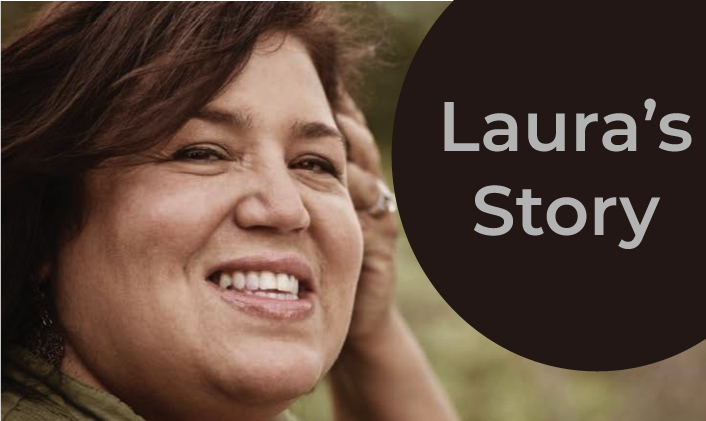
The first time I gambled, when I was 18, I considered it simply entertainment. I might spend $20-$40 and go with some friends. It never occurred to me that gambling could become a debilitating addiction.
However, while I was in college, the impact of several events unsettled me. First, my mother’s longtime partner left her, leaving emotional wounds for all of us to deal with. And not long after that, I learned that a young girl who I had mentored died by suicide. I tried to focus and managed to graduate, but I never had a chance to truly grieve these losses while in school.
After graduating, I eventually moved back to Minnesota in 2017 and got engaged. That’s when I started to explore gambling. By the time I got married in July of 2018, I was living a double life with gambling. I remember telling my husband at the time that I felt more married to slot machines than to him.
I had been looking forward to marriage and the opportunity to be part of his family, as I was adopted and longed to be loved and experience a sense of belonging. Unfortunately, although I initially felt accepted by my husband’s family in the beginning, I eventually found it hard to be myself.
All of these struggles — rejection, abandonment, not feeling I belonged or was loved — drove me to gamble as an escape. Gambling offered a “fake happy place” for me to numb my pain and just be. I felt emotions on the outside but had deep pain inside myself. When I gambled, it felt fun, but as time progressed, I was exhausted. I felt like a robot with an altered mind and body
At first, I gambled for just a few hours. But before long, I was gambling for longer periods of time, spending $300-$500 two to three times a month. Things progressed quickly. Within a year, I was losing $1,000- $2,000 two to three times a week.
I would drive to Mystic Lake no matter what the weather was like. As I drove, I’d constantly hear a voice telling me that everything would be fine — but it was hard to numb that voice.
My gambling escalated even more. I spent a lot of my inheritance from my grandparents, approximately half a million dollars in two years
My health started going downhill. I stopped taking important medications and stopped eating, losing 30 pounds over two years. I let go and didn’t care, as if I wanted to die that way.
Well into my addiction my morals became very foggy and distorted. My socializing with friends became more isolating. I lied, I stole from my fiancé, used my inheritance and other forms of getting money (annuities, life insurance), and sold my most prized possessions. In the end, the last things I sold were my flute from childhood and a camera my grandma had bought me. I was desperate and needed money, it was my fix.
I lost my job in December 2019 and had a mental breakdown on January 2, 2020. I knew I wanted to get help and be in a safe place. My mom grabbed my childhood blanket and bear to help comfort me. I told her to take me to the ER. I had suicidal thoughts. I was done living.
I told my mother all about my gambling. She said my eyes were a different color during my breakdown and wanted to protect me from the kitchen knives. Eventually, she got me to a safe place, the hospital. I ended up celebrating my 33rd birthday in the hospital, and my mom, aunt and husband came to celebrate. I never thought I’d be where I was, but I needed to feel safe and heard in a protected environment.
It was during my hospital stay that we found a program for inpatient care for gambling addiction, the Vanguard Center at Project Turnabout in Granite Falls. I went there shortly after leaving the hospital. It was the hardest thing I’ve ever done in my life.
As we drove, I noticed an eagle flying next to the car. For me, it was a symbol of a higher power. I know that a “higher power” can push some people away, but for me it’s about nature
At Vanguard, I learned a lot about addiction in general but also gambling addiction. I related to the 20 questions in the GA yellow combo book and, more and more, realized I did have a gambling problem.
Being in treatment for five weeks, I learned that gambling addiction doesn’t define me, even if it happened in my life. I learned more about how much more pain I had endured in life and its impact on my self-esteem and self-confidence. In treatment, I have a relapse prevention plan, and support has helped me continue to make my recovery number one. I learned how to advocate for myself and what I need, knowing my toolbox of coping skills when things get overwhelming and learning to be kind and gentle to my new self. Recovery is challenging but I tell myself I do the best I can do in that day and give myself credit. It’s truly okay to ask for help. I’m not alone anymore.
Sharing my story is part of the healing I do every day, part of my recovery. I hope that sharing my story can help others and be a reminder that there is help out there.
May 12, 2023 | ADVOCACY
Even as gambling — and gambling addiction — become normalized in the United States, no federal funds are currently set aside to address gambling treatment, prevention and research. This is in stark contrast to the considerable national funds dedicated to addressing alcohol and drug addiction.
However, with the expected introduction of the GRIT Act (Gambling addiction, Recovery, Investment and Treatment) by the National Council on Problem Gambling in the coming months, there is hope that gambling addiction will ultimately receive the attention and financial consideration it has long deserved.
The proposed legislation would set aside 50% of the federal sports excise tax revenue for gambling addiction treatment and research. Seventy-five percent of those funds would be distributed to states for gambling addiction prevention and treatment through the existing Substance Abuse Prevention and Treatment Block Grant program. The remainder would go to the National Institute of Drug Abuse to fund grants for research into gambling addiction.
“It’s important to note that this legislation would not increase any taxes to Americans,” says Cole Wogoman, government relations manager for NCPG. “It simply sets aside an existing funding stream for problem gambling treatment and research that will continue to increase as online sports wagering becomes more prominent.”
NCPG plans to have the bill introduced to Congress in advance of NCPG Advocacy Day on July 26. “The legislation will provide language we can use to familiarize legislators with problem gambling issues and emphasize why a dedicated funding source is so important,” says Cole. Please see this page for more information about the GRIT Act.
May 12, 2023 | ADVOCACY
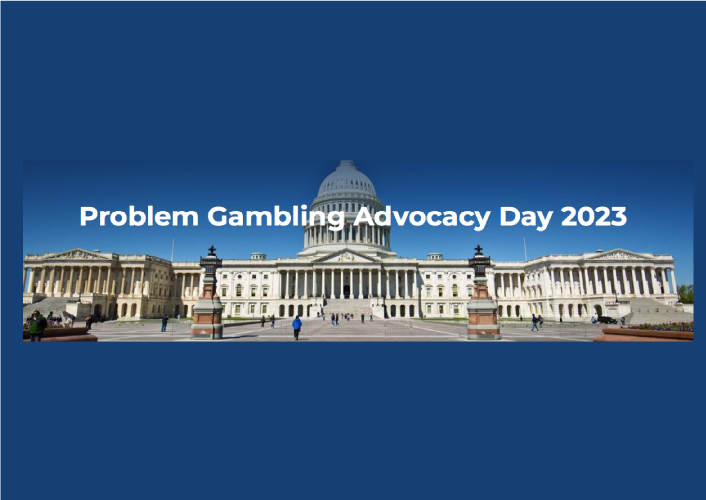
The ability to create more visibility — and ultimately more funding for prevention, research and treatment — for gambling addiction depends substantially on grassroots efforts by problem gambling and responsible gambling advocates from across the country. To help “grease the skids” for these important advocacy efforts, NCPG will be holding its annual Problem Gambling Advocacy Day on July 26 in Washington, D.C., the day before NCPG’s annual conference.
Problem Gambling Advocacy Day brings together key stakeholders in a grassroots effort to highlight the importance of developing strong public policies relating to problem gambling and appropriating the necessary funding for education, research, treatment and prevention.
NCPG will make participation easy by pairing participants with fellow advocates from their state and scheduling appropriate congressional meetings. For interested Minnesotans, NCPG will work to set up meetings with Senators Tina Smith and Amy Klobuchar, as well as your individual representative. NCPG will also train advocates prior to meetings to ensure they are prepared to make the most of their time with legislators. For more information, or to register for Problem Gambling Advocacy Day, visit www.ncpgambling.org/programs-resources/ advocacy/problem-gambling-advocacy-day
For those unable to attend the conference and participate in Problem Gambling Advocacy Day in person, NCPG will be hosting a webinar (www.ncpgambling.org/ event/advanced-advocacy) on May 2 at 1 p.m. Eastern Time to coach interested individuals on how to write an effective letter to their member of Congress. Whether planning to attend the webinar or not, to express your support for the GRIT Act (see article below) to your representative or senator directly, please visit their websites, which provide portals through which you can send a direct message.
May 12, 2023 | PROBLEM GAMBLING
The proliferation of gambling — in all its various forms and venues — continues. Hard as it might be to believe, one can bet on events such as weather forecasts, celebrity deaths, ferret bingo, the next pope and the Oscars. And now … wait for it … professional wrestling.
Yes, professional wrestling, where outcomes are scripted in advance. While MNAPG is officially gambling-neutral, it was hard not to cast a questioning glance at the WWE’s (World Wrestling Entertainment) March announcement that it’s looking to have its wrestling matches available for gambling.
Aside from the security issues involved in ensuring that the scripts are not made public until match date — a situation that would seem ripe with temptations for wrestlers to receive payoffs from gamblers under the table — one can also question whether gambling on such outcomes truly constitutes gambling.
The classic definition of gambling is “the wagering of something of value on a random event (chance) with the intent of winning something else of value.” One can question whether the element of chance is truly part of an event where the outcome has been predetermined.
This underscores the fact that gambling is everywhere — and it’s ever-important for those concerned about problem gambling to be on their toes.
May 12, 2023 | ADVOCACY
Until recently, the Minnesota Suicide Prevention Taskforce, implemented in 2015 to address the steady increase in death by suicide in Minnesota, lacked representation from the gambling addiction field. But that changed in 2022, when Sonja Mertz, MNAPG community educator, joined the taskforce.
The 2015-2023 Minnesota State Suicide Prevention Plan was based on the National Strategy for Suicide Prevention and the premise that suicides are preventable, mental illness is treatable and recovery is possible. While the plan aimed to be comprehensive in its public health approach of promoting health and wellness in our communities, the topic of gambling addiction and the high number of suicides by those suffering from gambling problems was not addressed or even mentioned.
The lack of inclusion of gambling in the suicide prevention plan seemed a glaring omission, and after discussion with Susan Sheridan Tucker, MNAPG executive director, and Kelly Felton, Minnesota suicide prevention coordinator, it was agreed that MNAPG would take a seat on the taskforce. The Minnesota Suicide Prevention Taskforce meets on a bimonthly basis and collaborates with the Department of Health to develop, implement and evaluate the state plan. At the February meeting, it was announced that the new 2023-2027 State Suicide Prevention Plan was finished and had been sent to the Commissioner of Health for a final signature.
Findings from both community engagement feedback, and mortality and morbidity data were used to identify and prioritize efforts for the new state plan. Priority populations for focus of suicide prevention efforts include youth (ages 10-24), LGBTQ+ communities, Black/African Americans, American Indians, middle-aged males, veterans and people with disabilities. As strategies are created and implemented, including those used by the Minnesota suicide prevention community grantees, MNAPG will work to ensure that language regarding gambling behavior, gambling risks and gambling addiction are considered and included.
Sonja is also a member of the Data Action Team whose purpose is to guide the implementation of the data-related goals and objectives of the state plan. This team analyzes current data sources, including suicide trends, mortality reports, student survey results and community data. Most recently, the committee looked at adult risk and protective factors and how those factors can assist in addressing the mental health needs of communities and populations. Sonja will continue to provide updates on how the topic of gambling addiction is being incorporated into data collection and analysis.