YOUTH GAMBLING
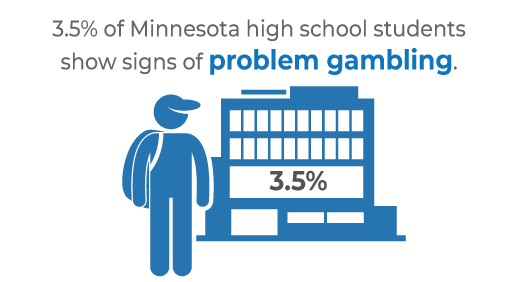
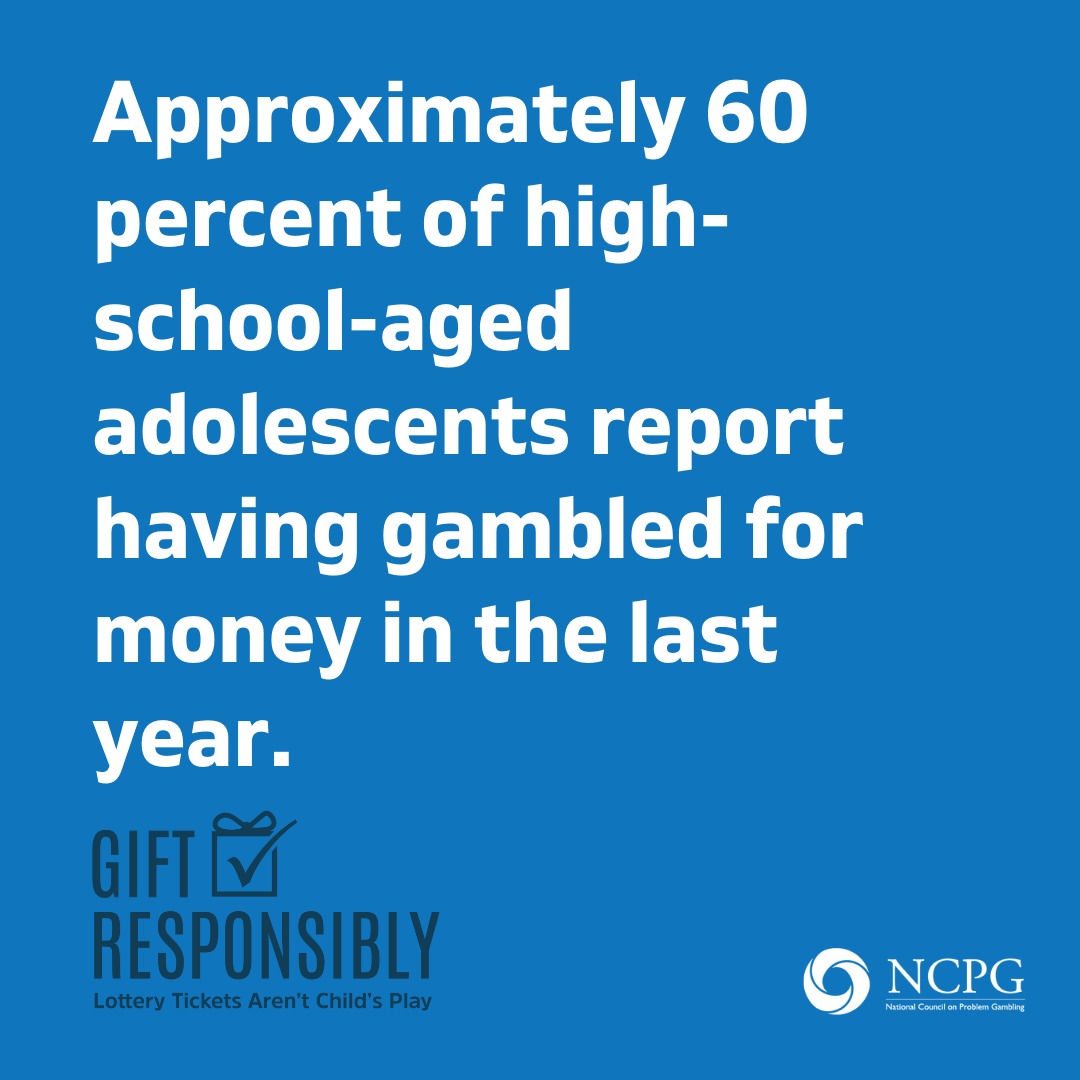
Youth gambling is a significant risk factor for gambling addiction. Fortunately, there are signs and tips to alert parents if their child is gambling.
SIGNS YOUR CHILD MAY HAVE A PROBLEM WITH GAMBLING
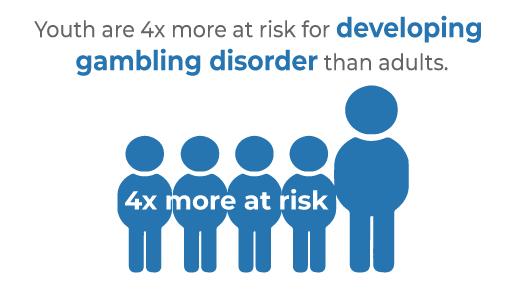
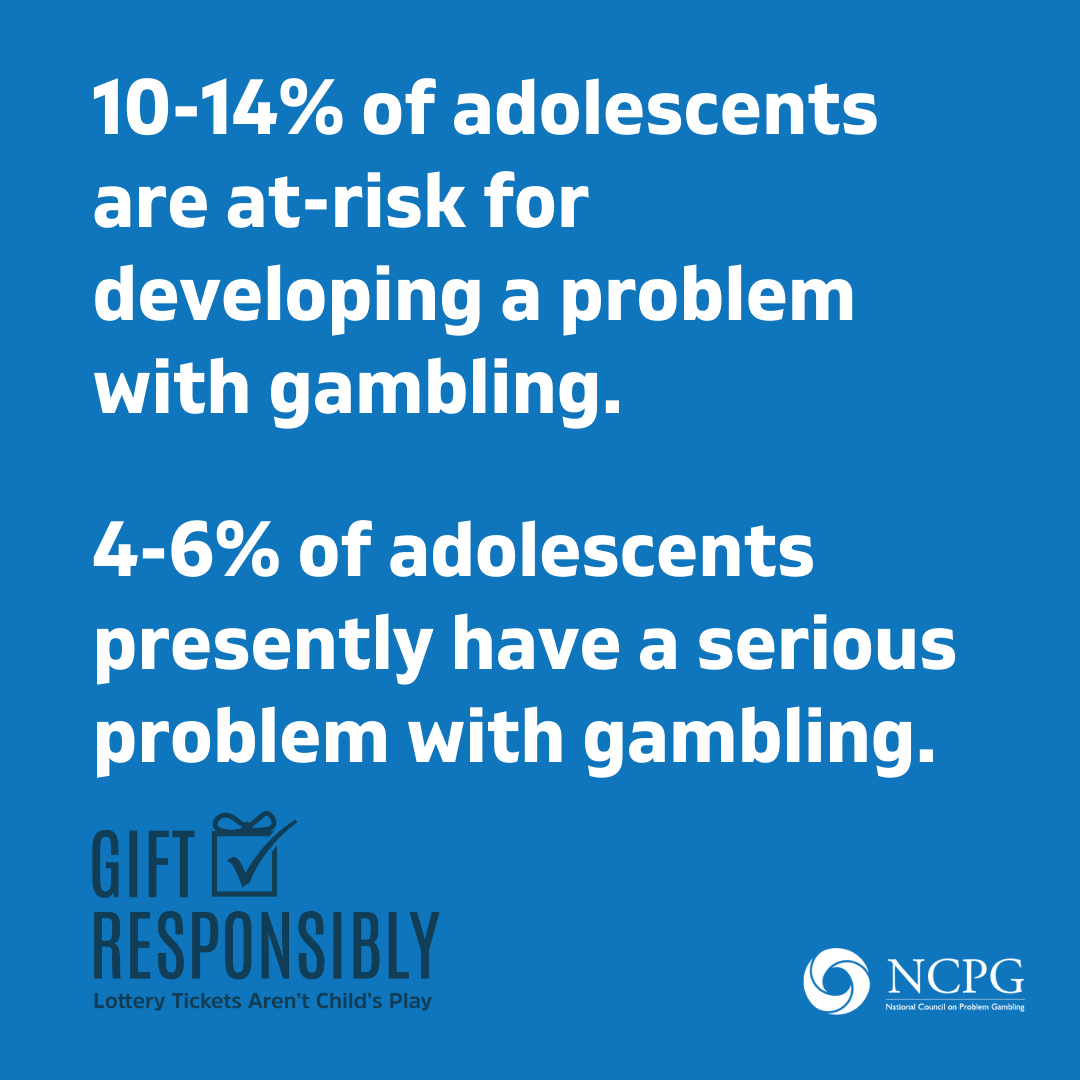
Research suggests that individuals who gamble during childhood or adolescence are at greater risk of developing gambling problems later in life. For this reason, it is important for parents and caregivers to be aware of signs that a child may be gambling. The following questions can help identify whether your child may be at risk for developing gambling-related problems.
Signs your child may have a problem with gambling:
- Are you concerned about your child’s phone usage?
- Does phone usage distract from family activities and sleep?
- Do you know which apps or websites your child uses?
- Has your child lost interest in activities they once enjoyed?
- Does your child have unexplained money?
- Has your child become secretive?
- Does your child have extreme reactions to sporting events?
- Does your child lie about money or about gambling activities?
If you answer "yes" to several of these questions, consider starting a conversation with your child about gambling.
WHAT CAN I DO AS A PARENT/ TRUSTED ADULT?
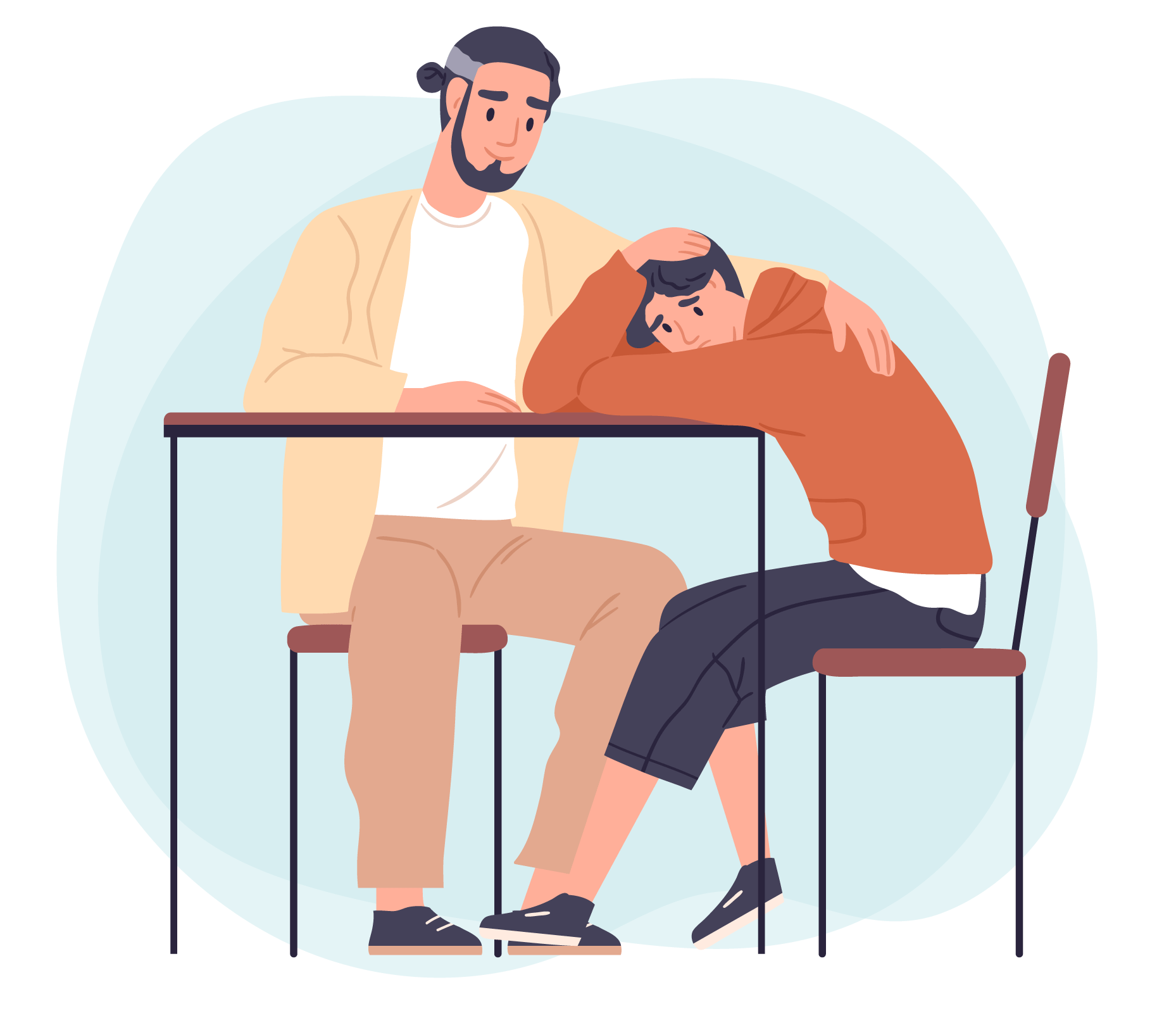 Gambling is not a safe alternative to alcohol, drugs or nicotine. Gambling can become a serious addiction, and its effects can be every bit as devastating (both to the gambler and their family) as drugs or alcohol. What’s more, gambling is often a “gateway” to other high-risk behaviors.
Most importantly, don’t engage your children in gambling activities. Don’t reward them with gambling-related items such as lottery tickets or poker chips.
- Begin a conversation with your child when they’re not preoccupied and, if possible, when it can be naturally raised in a conversation.
- Listen to what they say about gambling and encourage an ongoing discussion.
- As with any activity you may have concerns with, let them know the potential harms and the differences between lower risk play and risky gambling.
- State your own position simply and clearly.
- Teach them about the odds and “the house always wins in the long run.”
- If you think they may be gambling online, consider uploading an online blocking tool like Gamban or Betblocker.
With the right information and help, young people and parents can overcome gambling problems. Remember, children and adolescents tend to model their behavior based on behaviors of others, whether parents, friends or role models.
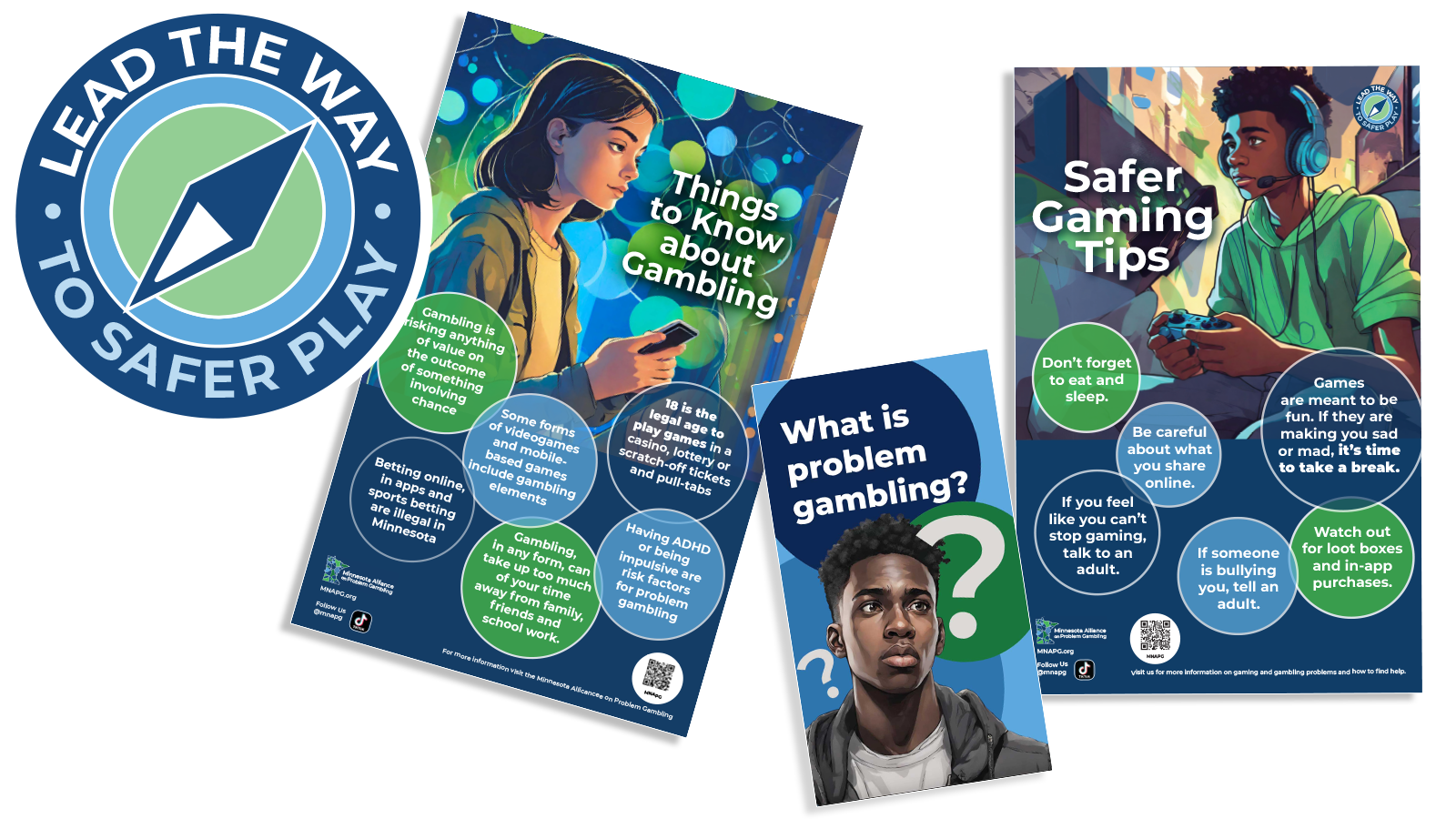
LEAD THE WAY TO SAFER PLAY
FREE Gambling and Gaming Education Toolkit
Adults who support young people — including educators, coaches, youth leaders and parents
— are constantly looking for ways to help them navigate the complexities of today’s world. One growing concern is the increasing risk of gaming and gambling addiction among youth.
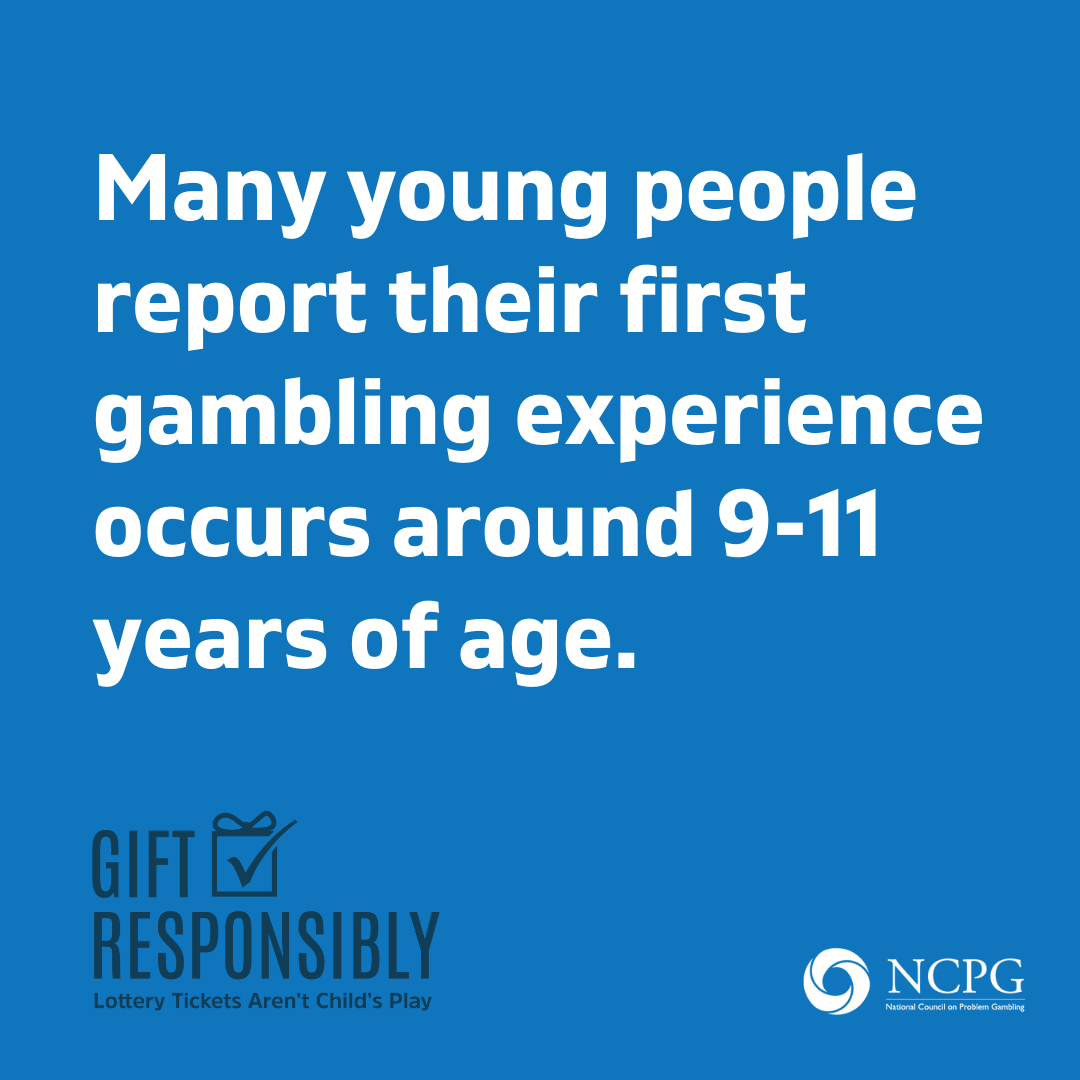
COMMON TYPES OF GAMBLING
Some of the most common types of gambling include:
- online games (poker, slots or other social casino games)
- sports betting, daily fantasy sports (football, baseball, etc.)
- lottery tickets or scratch games
- fantasy sports or bracket contests
- esports
- loot boxes (found in video games)
- pull tabs
- casino-style cards game (Texas Hold’em, Blackjack/21, etc.)
- other card games (Gin Rummy, Spades, Hearts, etc.)
- dice games (Craps, etc.)
- raffle tickets
- bingo
- games of personal skill (basketball, video games, pool, bowling, skeet ball, etc.)
- mahjong, Native American stick games and other cultural games
RISK FACTORS FOR YOUTH PROBLEM GAMBLING
Understanding the risk factors for youth problem gambling can help parents, educators and caregivers identify concerns early. Here are some key risk factors to be aware of in teens and young adults.
- History of gambling in the family — children of parents who gamble are nearly twice as likely to be weekly or daily gamblers.
- Family or personal history of substance abuse.
- Family or personal history of mental health issues.
- Having been abused or traumatized.
- Exposure to gambling at young age.
- Having a “big win.”
- Having easy access to a preferred form of gambling.
- Having few interests or hobbies besides gambling.
- Holding mistaken beliefs about the odds of winning.
- Using gambling to escape problems or as a coping mechanism.
- Frequently experiencing boredom, depression, anxiety or feeling directionless in life.
- Wanting to win money (however, for adolescents with gambling problems, money is the vehicle, not the main reason, for gambling).
INCREASED RISKS FOR STUDENT ATHLETES
The 2018 U.S. Supreme Court decision that allowed states to legalize sports betting led to a rapid expansion of legal wagering on professional and college sports. This growth has created new concerns for student-athletes, including increased exposure to sports betting and potential risks to the integrity of competition. Because athletes are naturally competitive and often deeply engaged in sports culture, some may be particularly vulnerable to gambling-related harm.
Potential Consequences of Gambling for Student-Athletes
- Declining athletic performance
- Academic difficulties or failure
- Loss of playing time, eligibility or scholarships
- Financial problems and debt
- Relationship and family conflicts
- Alcohol or substance misuse
- Legal or criminal consequences
- Mental health challenges, including anxiety, depression and increased risk of self-harm or suicide
If You Think Your Student-Athlete May Have a Gambling Problem
- Choose a quiet, private setting and start an open, honest conversation.
- Avoid accusations or judgment. Focus on your concerns and the impact gambling may be having on their well-being and future.
- Share specific examples of changes in behavior that have raised concerns.
- Discuss the potential consequences of gambling, including risks to athletic eligibility, scholarships and compliance with school or team codes of conduct.
- Ask how you can support them. A simple question such as, "What can I do to help?" can open the door to meaningful conversation.
- Encourage professional support. Offer to help contact a counselor or accompany them to an appointment.
- If they are not ready to seek help, avoid pressuring them. Let them know you care and are available whenever they are ready to talk.
For confidential support and resources, contact the Minnesota Problem Gambling Helpline at 1-800-333-HOPE (4673).
BLURRING LINES OF GAMING AND GAMBLING
Advances in technology and online connectivity have fueled tremendous growth in video gaming over the past decade. Today, gaming is a major form of entertainment, with most teenagers regularly playing video games.
Parents should be aware that many games now include gambling-like features such as loot boxes, in-game purchases and other mechanics designed to encourage continued play and spending. While gaming is a healthy form of entertainment for most people, some individuals may develop problematic gaming behaviors that can negatively affect their relationships, school performance, work or overall well-being.
If you are concerned that your child may be developing a gaming problem, visit our Gaming Disorder page or explore resources from GameQuitters. Support is also available through Gam-Anon for parents and other concerned loved ones and through OLGA (Online Gamers Anonymous) for youth and adults experiencing gaming-related problems.
Youth Gambling
What We’re Reading
MNAPG shares a roundup of recent reads on problem gambling: app-based gambling targeting minors, the rise of sports betting, and its effects on brains and behavior. READ MORE

In Their Own Words – Ryan’s Story
Ryan shares his journey from substance recovery to gambling addiction—and how honesty, GA, and community helped him find a more manageable life in recovery. READ MORE

The Betting Blueprint: A Wellness Approach to Reducing Gambling Harm on Campus
Learn how The Betting Blueprint, a college wellness curriculum developed by Dr. Michelle Malkin, helps students ages 18-24 recognize gambling risks, build financial wellness skills, and make informed choices before problems develop. READ MORE