RESOURCES FOR PROFESSIONALS
MNAPG strives to be Minnesota’s trusted resource for problem gambling information. We offer a wide range of resources, including recovery stories, advocacy updates, research and information for professionals.
Podcasts

Voices…the Podcast
“Voices…the Podcast” (Brian Ward / Voices of Problem Gambling Recovery). LISTEN NOW

My Undesirable Talent
San Francisco’s Spider-Man burglar was remarkable. But mostly, his talent got him into trouble. LISTEN

Starting From Scratch
People starting over—sometimes because they want to, other times because they have to. LISTEN

The Moth: Shannon Cason – “It’s Like Borrowing”
Shannon Cason comes face to face with his gambling addiction. LISTEN NOW

2021 NAADGS Problem Gambling Services Survey Results with Dr. Jeffrey J Marotta
Dr. Jeffrey J. Marotta discusses the latest findings from the 2021 NAADGS Problem Gambling Services Survey. LISTEN NOW
The Lure of Online Gambling During a Pandemic
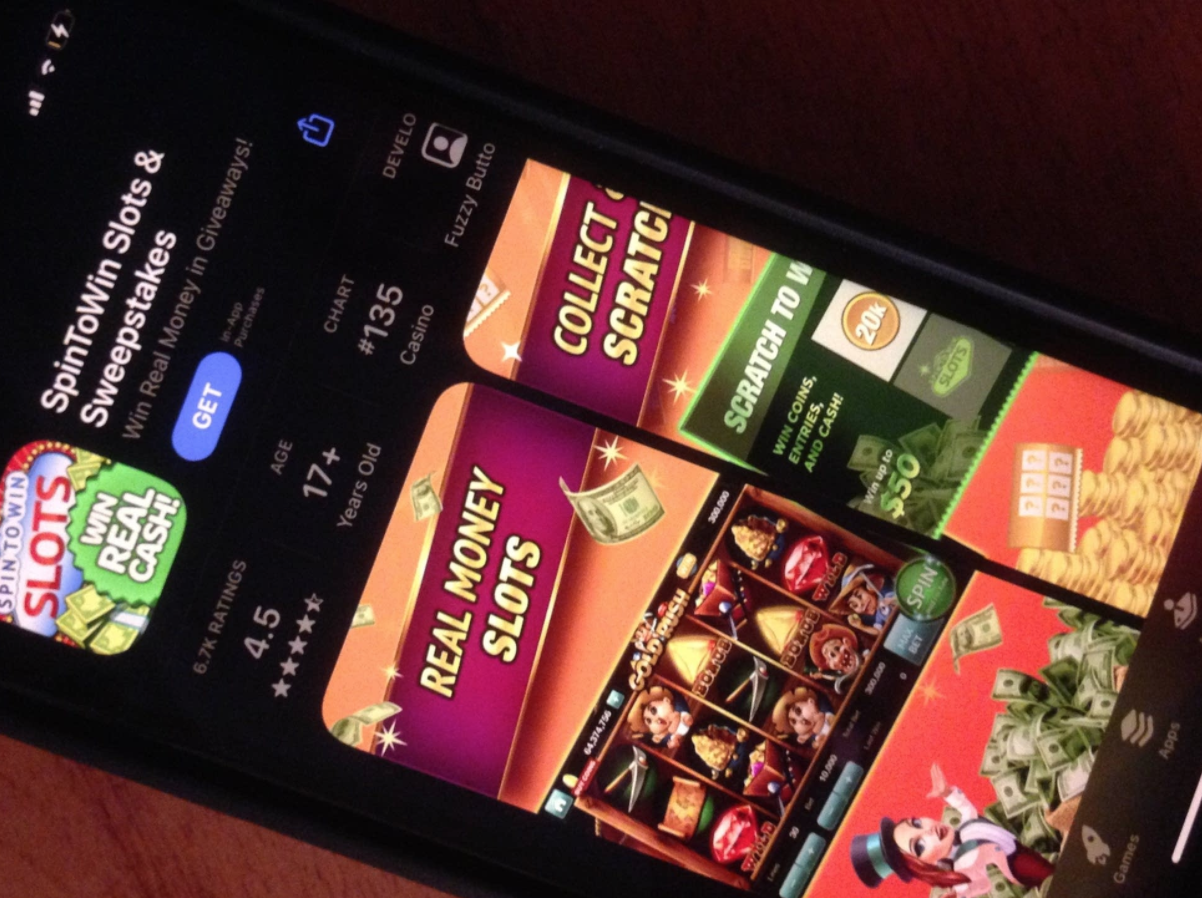
Susan Sheridan Trucker, executive director of Northstar Problem Gambling is the guest on MPR and talks about the lure of online gambling during the pandemic. LISTEN NOW


LEARN HOW
Two voluntary, self-exclusion tools for online gambling sites.
Given that many gamblers may be moving online, MNAPG is offering individual subscriptions for an online self-exclusion tool called Gamban. This tool enables the gambler to block tens of thousands of online gambling sites on all devices. MNAPG has purchased one-year subscriptions that can block up to 15 devices in one household.
If you are interested, please email sstucker@mnapg.org and a link will be provided to set up the account.
BetBlocker helps you, or those you care about, ensure that they can manage their access to gambling in a safe and appropriate manner. Whether that means restricting altogether, or limiting during periods of vulnerability, BetBlocker can help. Visit https://www.betblocker.org to download this free app.
Online Gambling Blocking APPs and Self Exclusion
Recovery from problem gambling is challenging. To support clients who may be tempted to gamble online or visit a casino or card room, several tools are available. While none is foolproof, they can help reduce opportunities to gamble.
Voluntary Self-Exclusion from Land-Based Casinos and Cardrooms
In Minnesota, individuals can voluntarily exclude themselves from casinos and card rooms for a designated period, including six months, one year, three years or a lifetime. Because each facility administers its own program, a separate agreement must be completed for every casino or card room.
By signing a self-exclusion agreement, the individual agrees not to enter the property during the selected time period. The casino or card room will also stop sending promotional materials.
If someone violates the agreement, the operator may charge them with trespassing. In addition, any jackpot of $1,200 or more won while violating the agreement will be forfeited.
Newsletters
Sign up to receive Northern Light.
The Minnesota Alliance on Problem Gambling publishes the Northern Light newsletter quarterly. Past issues of Northern Light are available as detailed below:
2026 NORTHERN LIGHT NEWSLETTERS
2025 NORTHERN LIGHT NEWSLETTERS
2024 NORTHERN LIGHT NEWSLETTERS
General Problem Gambling Resources
- National Council on Problem Gambling (NCPG)
- List of Minnesota Approved Problem Gambling Providers
- Get Gambling Help from DHS website
- International Problem Gambling and Gaming Certification Organization (IPGGC)
Help and Support for Spanish Speakers
Find resources for Spanish speakers here.
Resources to Start the Conversation if you Suspect a Gambling Issue
Most of us receive little education about managing money or financial risk. That’s why it’s important to have open conversations about financial goals and develop a plan for achieving them. The resources below can help individuals and families start those conversations and build healthier financial habits.
- How to Talk About Money, The Money Advice Service, United Kingdom publication. pdf
- Personal Financial Strategies of The Loved Ones of Problem Gamblers, NCPG, 2000 pdf
- Problem Gamblers and their Finances: A Guide for Treatment Professionals, NCPG 2000 pdf
Legal Professionals with a Gambling Addiction
Research suggests the legal profession experiences higher rates of problem gambling than many other occupations. Because gambling addiction is often difficult to recognize, it can go undetected until it has serious personal, financial or professional consequences. We've gathered the resources below to help attorneys better understand gambling disorder, recognize the warning signs and connect individuals with appropriate support.
- Never Enough, A Lawyer’s Story Presentation at Holland hospital, Holland, MI
- Lawyers Concerned for Lawyers (LCL) at 866-525-6466 or mnlcl.org.
Signs of a Gambling Problem at Work
Classic signs of a gambling problem at work include preoccupation with gambling, trouble concentrating, tardiness and absenteeism, missed deadlines and declining performance.
- Frequently absent or disappear from work
- Borrows money and complains about mounting debts
- Eager to organize and participate in betting opportunities
- Experiences mood swings, which are often related to winning and losing streaks
- Makes false claims against expense accounts
Requests pay in lieu of vacation time - Receives credit card or loan bills at work rather than at home
- Steals from the company
Impact on the Workplace
Employees with a gambling problem may start to miss more and more work, and be less and less productive. In severe cases, employees may resort to theft.
- Preoccupation with gambling leads to lost time and productivity.
- Family members, consumed with feelings of stress, worry, frustration and anger, become less productive.
- Important deadlines and meetings are missed, and the overall quality of work deteriorates.
- Employees and family members develop physical or emotional health problems, including stress, depression, anxiety and high blood pressure.
- Employees and family members are at a higher risk of suicide, seeing it as the only “way out” of emotional, financial and legal problems.
- Employees with severe problems may commit theft, fraud or embezzlement.
The workplace may become a primary avenue for the gambler to illegally finance their addiction.
What Supervisors Can Do
Many individuals are in denial about their gambling problem. Some don’t even recognize that “borrowing money” from their employer is stealing. Here’s what you say and do if you suspect an employee has a gambling problem:
- Express concern in a caring and supportive manner
- Be prepared for denial or a hostile reaction
- Avoid diagnosing the problem or telling the individual what to do
- Be clear and nonjudgmental and show concern
- Keep observations work-related
- Respect the individual’s personal boundaries
- Provide information, not advice
- Take action to protect the company assets
Financial Resource
Gambling disorder can cause significant financial harm that often affects the entire family. Missed payments, mounting debt and collection notices are frequently the first signs that a gambling problem exists. Early support from trained financial counselors can help stabilize finances and support recovery.
Through a partnership with GamFin and Lutheran Social Service of Minnesota, MNAPG offers specialized financial counseling for individuals and families affected by problem gambling. These services help clients manage debt, protect assets, build realistic financial plans and support long-term recovery.
True Link
True Link is a debit card that lets you or a trusted family member control how much money can be spent and where it can be spent.
Healthcare
- Screening Toolkit
- Guide to Core Competencies for Treating Problem Gambling, Oregon Health Authority
- How the Brain Gets Addicted to Gambling, Scientific American, November 2013
- How Gambling Distorts the Brain, MNAPG published in The Phoenix July/August 2019
- Gambling Disorder Rarely Travels Alone
- Be Part of the Solution, MNAPG brochure
- Brain Connections — a layperson’s explanation of gambling disorder effects on the brain, 2019
- Brain Connections video
Suicide
MNAPG Annual Conference
Most years, MNAPG hosts an in-person conference featuring national speakers and the latest information for treatment providers, advocates, legislators, educators and the gaming industry. Continuing education credits are available for LADCs, social workers, psychologists and prevention professionals.
National Council on Problem Gambling Conference and Webinars
Joint members of MNAPG and the National Council on Problem Gambling receive free access to NCPG's regular webinars and discounted registration for the annual national conference.