Find Help
Minnesota Problem Gambling Helpline
CALL: 1-800-333-4673
TEXT: “HOPE” to 53342
How to Find Help
Everyone is at risk for developing a gambling problem. If you’ve landed on this page, you may be worried about your own gambling or concerned for someone you love.
Please know this: it’s not your fault, and you are not alone. Gambling addiction can affect anyone and there is no shame in reaching out for help.
Here, you’ll find information about problem gambling and practical resources to support you on the path to recovery. Hope and healing are possible and taking this step to learn more is a powerful place to begin.
Gambling for longer periods of time than originally planned
Bragging about wins, but not talking about losses

Increased frequency of gambling activity
Denying there is a problem

Lying about how money is spent
Pressuring others for money when financial problems arise
Escaping to other excesses (alcohol, drugs, sleep, video games, etc.)


LSS Financial Counseling
We understand that problem gambling can strain finances. That’s why we’ve partnered with Lutheran Social Services counselors to provide a valuable, no-cost resource for those experiencing financial issues from gambling, whether you are the gambler or a family member: Financial Choice services through LSS Financial Counseling.
GamFin
If gambling has created financial challenges, you’re not alone, and you don’t have to face them by yourself. GamFin financial counselors are here to help you:
- Take control of debt
- Boost your money confidence
- Rebuild and strengthen your credit
- Ease money-related tension with loved ones
- Explore your financial options
- Build lasting financial habits
- Create a budget that works
- Transform your relationship with money
Resources
How Does your gambling compare with others?
Perhaps you’re wondering if you are gambling more than most. By taking this quiz you’ll be able to gage your gambling compared to other Minnesotans.
Gambler Healing – If you’re wondering if gambling may be consuming too much of your life and you’re not quite ready to reach out to a counselor, Gambler Healing may be a good place to start. These 8 sessions depict real gamblers in recovery with their counselor. By visiting this website, you’ll have access to all the video sessions and accompanying materials to get you started. If at any point you want to speak to a counselor, the list of providers is below. Treatment is at no cost and telehealth sessions are available.
COMMUNITY MEETINGS
Gambler’s Anonymous (GA) www.minnesotaga.com, 1-855-222-5542 (1-855-2CALLGA)
Gam-Anon The toll-free helpline is 1-888-435-7166 (1-888-HELP1MN). www.gam-anon.org
Smart Recovery 440-951-5357 smartrecovery.org
Gambling addiction recovery podcasts
The Moth: Shannon Cason – “It’s Like Borrowing”
Shannon Cason comes face to face with his gambling addiction. LISTEN NOW

Legal Talk Network
Jeff Wasserman, a former attorney and compulsive gambler shares his story. LISTEN NOW
The Problem Gambling Podcast
A podcast exploring issues surrounding problem gambling and gambling related harm. LISTEN NOW

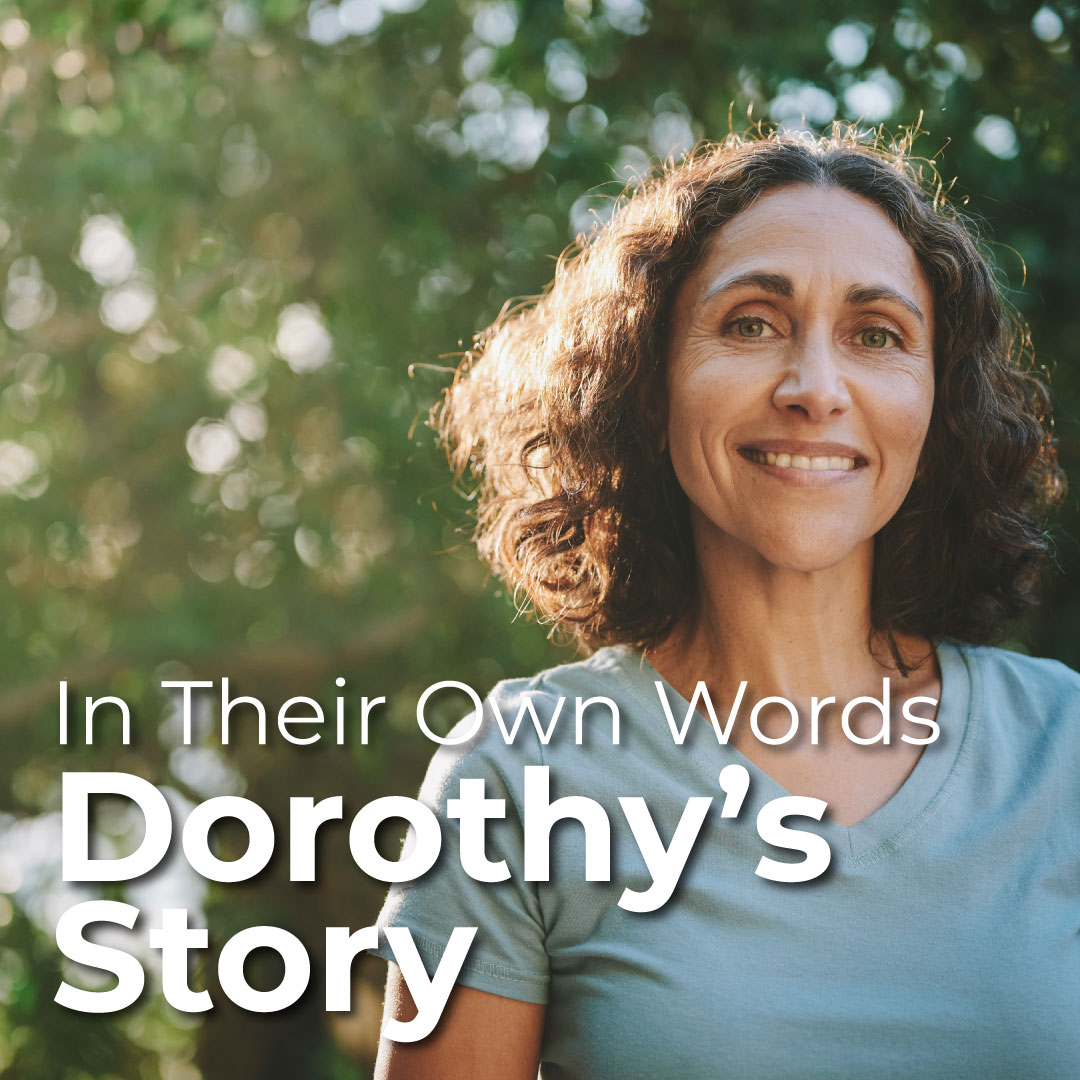
Twenty-six years ago, I seemingly had it all. I had three young children, a great husband and a job. I was always the responsible person. I was active in the community, serving on civic boards and advisory councils, and a volunteer coordinator for my kids’ athletics. I was a natural leader, got things done and stepped up to help when needed, just as I was raised to do.
But this great life began to unravel after my father passed away from cancer not long after he was told he was five years cancer-free. I felt a great emptiness and wasn’t sure how to fill it.
My parents loved to go to the casino. They’d go and come home, occasionally asking if I wanted to go. My father would give me a roll of quarters and I’d spend it at a slot machine. I remember thinking it was a pretty dumb way to pass time.
After my dad died, I thought I’d try going to the casino. I played Black Jack, thinking it at least involved skill vs. playing slots. I never played high-stakes games but gradually began to stay later and later at the casino.
Over the course of about three years, I crossed what Gamblers Anonymous (GA) literature refers to as “the invisible line” where recreational gambling becomes compulsive gambling. I became unrecognizable to myself, my coworkers and my family. I disappeared from their lives as well as my own.
When I was in the casino, I wasn’t a “look at me” gambler. I gambled so that I could have enough money to keep gambling — so that I could continue the feeling of numbness. While gambling, I had no responsibilities to anyone. I felt very small, which meant nothing could hurt me.
Although I had a young family, I stayed out gambling later and later, getting home at 3 or 4 a.m. I came up with outrageous lies explaining why I was out so late.
As things worsened, I’d stay out the whole night, leaving my husband to figure out what to do with the kids come morning. Sometimes he’d take them to hourly childcare, other times they’d go to friends.
My husband encouraged me to get help, reminding me that we had a great life with good jobs, good friends and good kids. That sounded great to me, and I believed it when he said it, yet I couldn’t do it, couldn’t bring myself to quit for any extended amount of time. It baffled me that I could jeopardize this great life.
I went to see a special counselor for help. But that didn’t click for me, and I left the session feeling exposed but not cared for. I walked to my car, put my head on the steering wheel and just cried.
I proceeded to make promises that I’d stop going to the casino, but there I’d be back and staying at the casino all night. Sometimes I’d miss my job. My friends were concerned about me but I had them so compartmentalized that they thought it was about them.
Then came a pivotal afternoon in the fall after I’d come home from the casino that morning. My husband was with the kids raking leaves. Then he said to me in a calm, considered manner, “We have to talk about you moving out given the chaos you’re causing.”
That was when I realized that I could lose everything that was important to me. I subsequently called the Gamblers Anonymous hotline. It was the first time I’d spoken to anyone who seemed to understand what I was going through.
The person I spoke with recommended a particular meeting that she thought I’d be comfortable with. I practically crawled up the steps going to the meeting, where everyone seemed to be pretty happy and laughing. I was so freaked out to be there that I probably took in a fraction of what was said. But I remember how they made me feel, and how glad they were that I was there.
I cried and cried for the first several meetings. Things were discussed that really resonated with me, including the words “pitiful and incomprehensible demoralization” that a person with a gambling problem suffers. With each meeting, I walked away feeling more helped and more hopeful. I kept going to the meetings and before long, I felt comfortable enough to start doing service work, such as greeting other newcomers, helping to set up the chairs and, eventually, chairing the meeting.
I’ve since become very involved in GA, including the “business” side. The opportunities and accomplishments I’ve achieved with GA have greatly impacted my recovery, while at the same time helped other people in their recoveries.
For anyone thinking about getting help for compulsive gambling, I would suggest going to a meeting. You’ll find people who understand what you’re going through and the feelings you’re having. It can turn your life around.
I can only imagine how different my life would be had I not found help. But I do know that my life is great today, a continuation of the one I had before gambling sucked the life out of me all those years ago.

I’m in the process of determining my future. Given what I’ve learned about myself and the relationship between trauma and the ways in which we deal with it, I’ve given thought to taking a smart recovery position outside of St. Cloud.
After my deployment was over, I was faced with the challenge of trying to somehow match that excitement and high-tempo routine.
It’s hard to replicate the adrenalin rush that one gets working in the military. For me, nothing can match the sense of doing something dangerous, and doing something dangerous for a purpose.
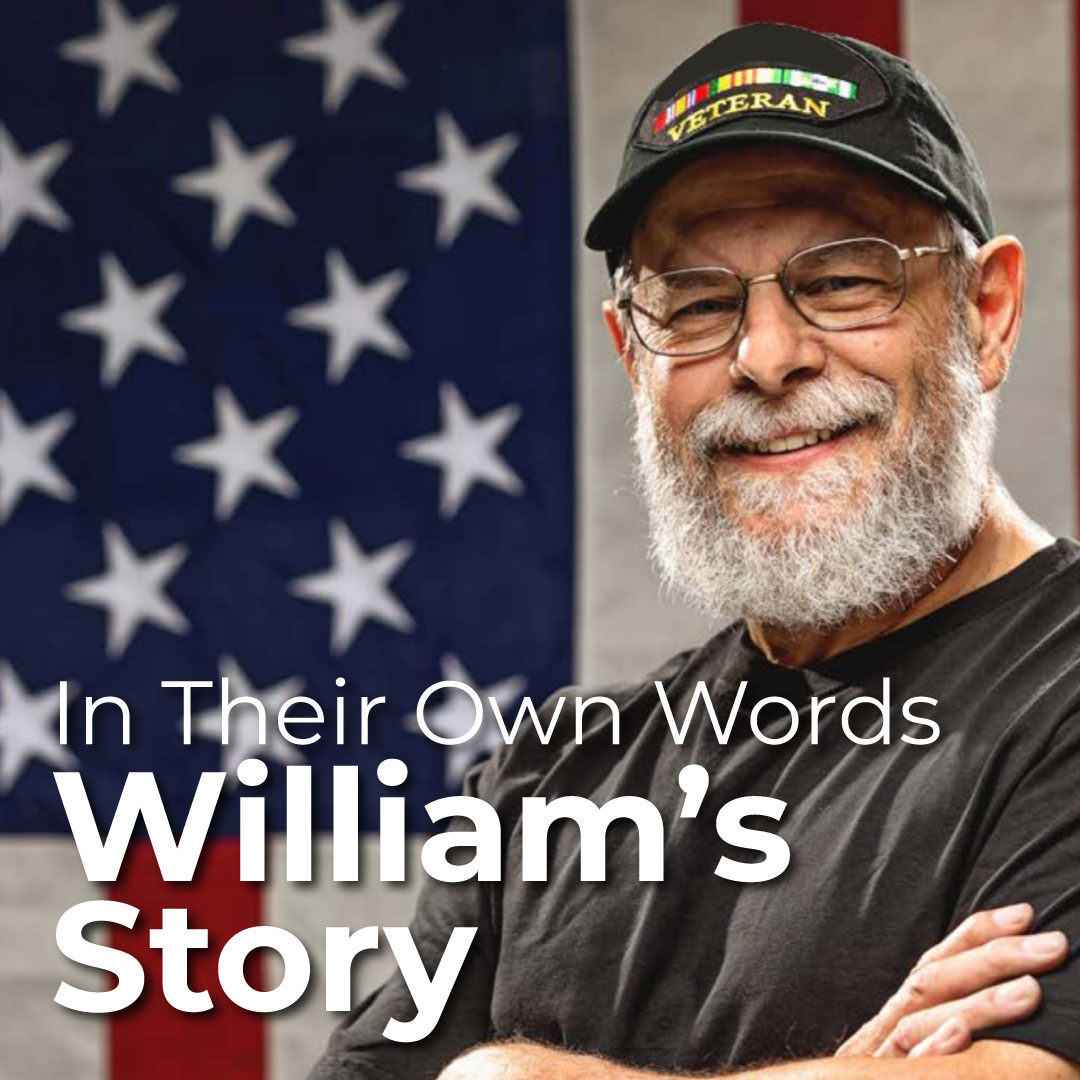
In my role with the Navy, I was among the boots on the ground in the Middle East. I saw the effects of war and came home with a darkness inside me that so many other veterans have experienced.
After my deployment was over, I was faced with the challenge of trying to somehow match that excitement and high-tempo routine. Of course there is no substitute in civilian life for what I did while with the Navy, but I tried to find it.
The closest I could come was gambling. It offered me some of the same aspects of life in the Navy: adrenalin, something to engage in, and a form of escapism. It’s only recently that I’ve begun to understand the connection and similarity between the highs of gambling and my life in the Navy.
My gambling started in a very casual way. I remember taking a long drive into the mountains when I was based in the Washington, DC, area. I ended up at a casino in West Virginia by complete accident. I enjoyed myself and it was simply fun recreation.
My gambling didn’t really become a problem until I left the Navy in 2006. I started going two to three times a week and it was my only real outlet. It became my social pastime.
I continued to gamble for much of the next ten years. But things really went off the rail in 2016, when I was a taxi driver and made frequent stops at a casino in the small town where I lived. Rather than wait for the phone to ring to transport passengers from the casino, I would end up inside the casino spending all the money I earned that day. Things got very bad and life felt hopeless.
At this point, I knew I had a problem. But I wasn’t sure that anything could be done about it, nor did I know how I could actually get help.
Then an unexpected thing happened. While on Instagram, I was viewing photos from an old Navy colleague. I didn’t recognize the buildings in his photos and decided to message him to learn more. He told me they were from Minneapolis. When I asked, “Why Minneapolis?” he explained that he was in Minnesota after getting out of a VA rehab facility in St. Cloud.
When we eventually talked—for the first time in about 10 years—it all started making sense. I knew him personally and knew about his dangerous streak, so hearing that he was in rehab made sense. I also saw many parallels to my story. I asked him questions about the process and then obtained the link for the VA facility that could help me.
As soon as I got off the phone, I started packing my car. I drove three days to make it to St. Cloud from the west coast. I didn’t even call ahead of time and walked right to the urgent care desk and said, “I need help.” I was feeling suicidal and couldn’t take no for an answer.
When I got to St. Cloud, I told the doctor that in addition to a problem with drug and alcohol addiction I also had a gambling problem. I was placed in a residential treatment program on July 14 with a dual addiction diagnosis and stayed for 60 days. Until then, I didn’t know that treatment programs like this existed.
A part of the program involved cognitive behavioral therapy. During these sessions, I gained a better understanding of how my actions were related to the trauma I suffered in the Navy and how the things I did were efforts to try to deal with that trauma. When you get into a program like this, you see the bigger picture. More importantly, you see that this addiction can be managed and that it can be cured.
I’m trying to start anew in a place where I have no routine connected with gambling and where there is no casino in town. I’m living in the House of Charity in Minneapolis and am following through with my aftercare, including meeting with a therapist to keep me on my path.
. . . when I was a taxi driver and made frequent stops at a casino in the small town where I lived. . . I would end up inside the casino spending all the money I earned that day. Things got very bad and life felt hopeless.
I’m in the process of determining my future. Given what I’ve learned about myself and the relationship between trauma and the ways in which we deal with it, I’ve given thought to taking a smart recovery position outside of St. Cloud, something that would require a certification program. From past experience, I realize that I have to feel fulfilled in my occupation or it won’t work.
I’m prepared for this to be a long, slow process. But that’s OK. It’s taken me a long time to get to this point and I realize how important it was for me to get there.
Two voluntary, self-exclusion tools for online gambling sites.
Given that many gamblers may be moving online, MNAPG is offering individual subscriptions for an online self-exclusion tool called Gamban. This tool enables the gambler to block tens of thousands of online gambling sites on all devices. MNAPG has purchased one-year subscriptions that can block up to 15 devices in one household.
If you are interested, please email sstucker@mnapg.org and a link will be provided to set up the account.
BetBlocker helps you, or those you care about, ensure that they can manage their access to gambling in a safe and appropriate manner. Whether that means restricting altogether, or limiting during periods of vulnerability, BetBlocker can help. Visit https://www.betblocker.org to download this free app.