Quick Links
Gambling addiction affects over two million Minnesotans, including individuals and their loved ones. Some may already be your clients or patients. Yet few providers in Minnesota are equipped to identify and treat gambling-related problems. Learn how you and your team can build the skills to address this gap.
Signs of a gambling problem can be difficult to recognize and often overlap with mental health and substance use disorders. Like other addictions, gambling disorder can disrupt a person’s well-being, work and relationships and is estimated to affect eight to ten others around them.
Stigma and the normalization of betting in today’s culture can leave many people feeling isolated. Only about 20% of individuals with a gambling problem seek help.
The rapid expansion of betting apps and emerging gambling products is increasing risk. As a provider, you can serve as a trusted local resource for identification, support and referral.

Expanding access to care is critical. Yet many counties and Certified Community Behavioral Health Clinics (CCBHCs) do not have trained clinicians to meet this great need.
Step up to support your community by becoming an approved provider. In Minnesota, clinicians must be affiliated with a clinic or treatment center, complete 60 hours of problem gambling training and enter into a contract with the Department of Human Services (DHS). Scholarships are available for eligible providers. See scholarship details here.
To become an International Certified Gambling Counselor-II (ICGC-II) in Minnesota, clinicians must complete 60 hours of problem gambling training. After completing these hours, they’re eligible to take the ICGC-II exam. The certification is valid for three years and can be renewed through continuing education.
Interested in getting started or have questions?
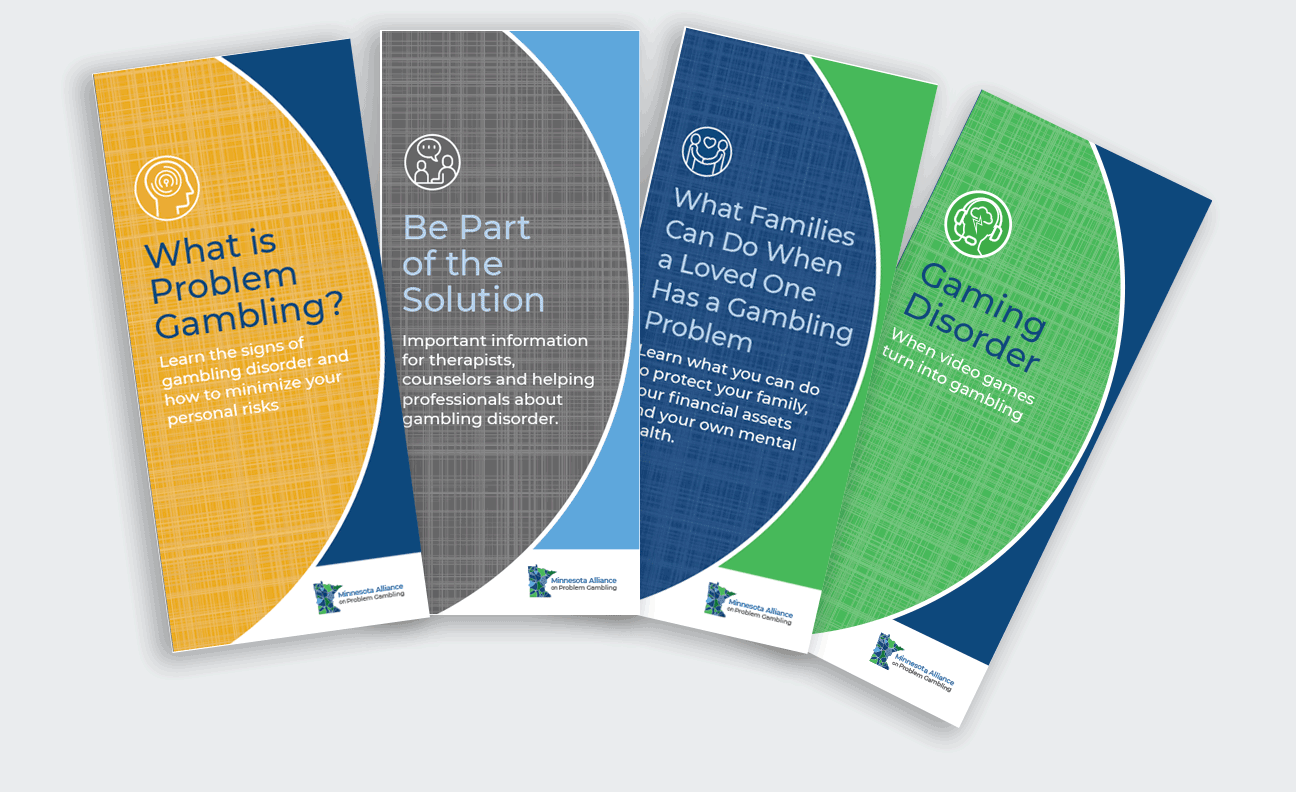
Our materials cover a range of gambling and gaming topics, from introductory information to content tailored for youth, parents and older adults. Many are available in multiple languages.
Display them in waiting rooms and lobbies, and use them as conversation starters with clients and families, quick reference tools for providers or resources for individuals who may not yet be ready to talk about their experiences.

Many people won’t mention gambling problems unless they are directly asked, and some may not recognize that gambling is a concern. Brief screening can help identify issues early and connect people with support in real time.
Add these three questions to intake and ongoing sessions. If a client or patient expresses concern, start a conversation and refer them to an approved statewide provider.

Trust your clinical judgment. If a client shows signs of a gambling problem, refer them to an approved provider for a comprehensive screening. If needed, they can also provide no-cost treatment via in-person or telehealth services.
Together, you can develop a plan to address the person’s addiction and mental health needs.

Gambling debt can be a difficult and unexpected burden. Help clients and patients take a positive step forward. Through partnerships with LSS Financial Counseling and GamFin, MNAPG offers free, confidential financial counseling for Minnesotans affected by gambling.
These services support individuals and families with debt management, budgeting, credit recovery and long-term financial planning.

Encourage clients to explore additional resources for support between sessions.
Minnesotans can reach the state problem gambling helpline 24/7 by calling 1-800-333-4674 or texting HOPE to 53342. Local chapters of Gambler’s Anonymous also provide peer support.
Tools that limit access can help reduce gambling. Gamban blocks access to thousands of online betting sites, including unregulated and offshore platforms, and free one-year subscriptions are available through MNAPG. Voluntary self-exclusion programs can also bar individuals from casino floors and marketing lists at specific locations.
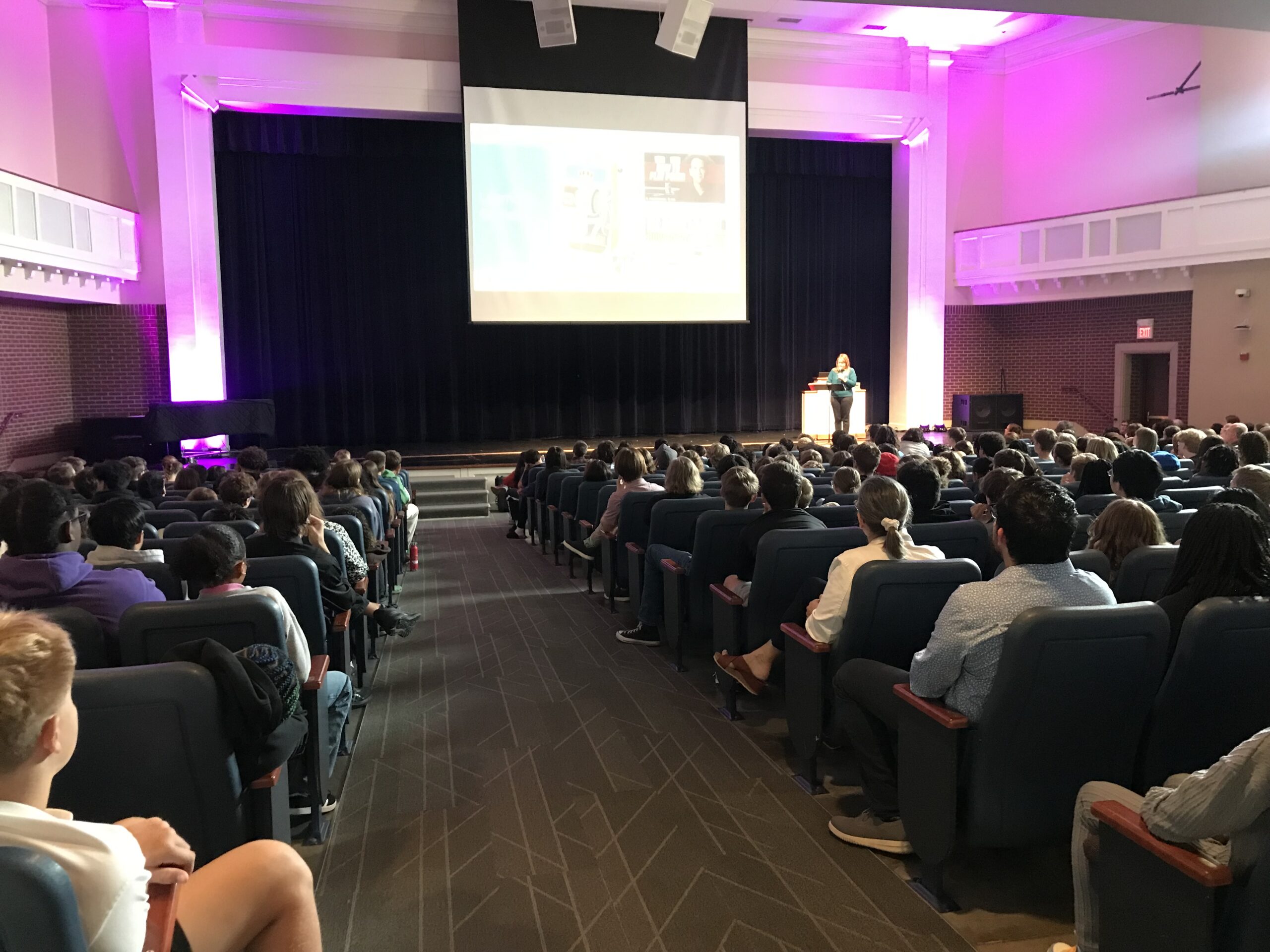
Bring the conversation to your team or community. We regularly present to providers, students, professionals, families and the public to help Minnesotans better understand this evolving issue and connect with available resources. Presentations are customized and available in person or virtually.
